
Tucked into the gentle green folds of Derbyshire sits a vineyard you might not expect to find this far north. Renishaw Hall, a historic estate best known for its grand architecture and classical gardens, is also quietly home to one of England’s most northerly vineyards—a surprising little haven of cool-climate winemaking. I recently spent a day there on a guided tour and tasting, and what I found was a blend of English elegance, unexpected freshness, and just the right amount of wine geekery. Whether you’re already deep down the wine rabbit hole or just dabbling with your first swirl and sniff, Renishaw offers a lovely reminder that great wine can come from unexpected places.
A Little Background on Renishaw Hall & Vineyard
Renishaw Hall has been the family seat of the Sitwells for over 400 years, nestled just outside Sheffield and surrounded by acres of carefully tended gardens. The vineyard, however, is a newer chapter in the estate’s story—planted in 1972 by Sir Reresby Sitwell as a bit of a bold experiment. Back then, English wine wasn’t exactly headline material, and Derbyshire certainly wasn’t the obvious choice for a vineyard. But that didn’t stop him from trying.
Today, the vineyard is in the capable hands of award-winning winemaker Kieron Atkinson, who’s brought fresh energy and a clear sense of purpose to this cool-climate patch. Renishaw now produces a small but characterful range of still and sparkling wines, made from grapes like Seyval Blanc, Madeleine Angevine, Solaris, and Rondo.
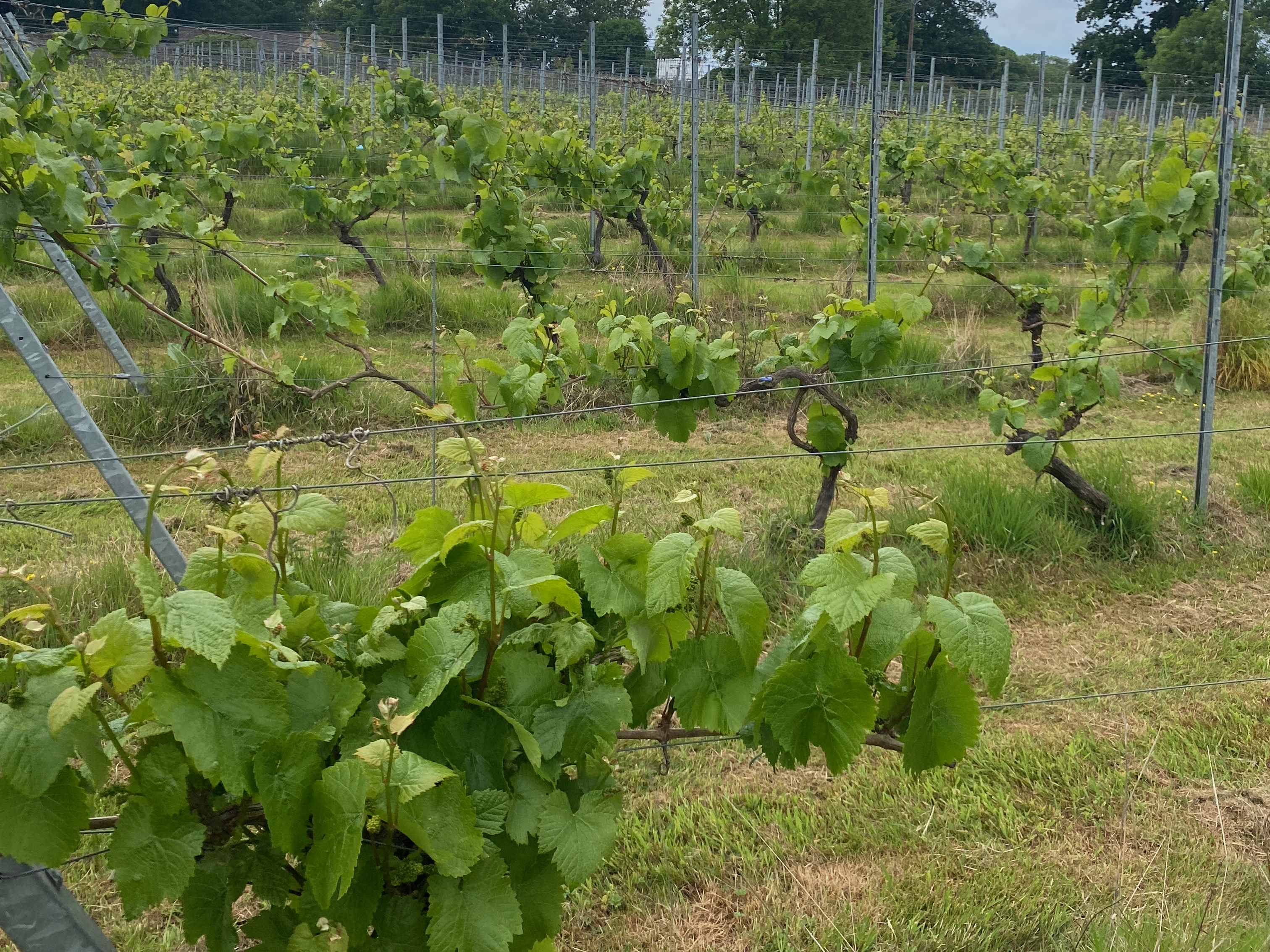
Located within a three-sided walled garden, the vineyard benefits from a natural heat trap that raises average temperatures by around 1°C—crucial in a marginal climate. Most of the vines are trained using single or double Guyot pruning, a method that helps manage growth and encourage healthy yields.
In simple terms, single Guyot leaves one fruiting cane and one spur for next year, while double Guyot leaves two canes and two spurs—one on each side of the trunk. The choice depends on the strength and vigour of each vine: more robust vines can support double, while others do better with a single cane. It’s all about balance, and it plays a big role in the quality of the fruit, especially in cooler regions like this one.
The vineyard is now run in partnership with The English Wine Project, a Derbyshire-based initiative dedicated to supporting small-scale English producers. Led by Kieron Atkinson, the project helps vineyards like Renishaw craft wines that reflect their unique climates and soils—bringing professional winemaking expertise to places that might otherwise be overlooked. Their work champions the diversity and potential of English wine, especially in cooler, less conventional regions like this one.
The Tour Experience
Our tour guide for the day was none other than Kieron himself, who walked us through the vineyard with a mix of winemaking know-how and personal stories from his time in the industry. He explained each stage of the growing season—from the sleepy stillness of winter pruning to the mad dash of harvest—breaking down technical bits in a way that felt engaging, not overwhelming.
We talked grape varieties (a current line-up of Solaris, Auxerrois, Chardonnay, Seyval Blanc, and Rondo), and touched on the sustainable practices in place—like ditching herbicides in favour of more eco-friendly methods. It’s clear that sustainability isn’t just a buzzword here; it’s part of the DNA.
One detail I found fascinating: despite Renishaw’s northern location, the wines weren’t sharp or overly acidic. Instead, they were bright and fruit-driven—more in line with New World freshness than Old World austerity. Perhaps it’s down to climate shifts (Kieron mentioned the UK is now experiencing temperatures Champagne had 20 years ago), or maybe it’s the winemaking choices—but whatever the reason, it works.
The Tasting
Although the forecast had threatened rain, the skies held off, and we were lucky enough to enjoy the tasting outdoors—glasses in hand, vines at our feet. There’s something undeniably special about sipping wine in the very place it was grown.


Here’s what we tasted:
- 2023 Walled Garden Unoaked White – Crisp and aromatic with notes of green apple, elderflower, and white peach. Stainless steel fermentation kept things fresh and zippy.
- 2022 Walled Garden Oaked White – A richer style with gentle oak influence: think soft smoke, vanilla, citrus peel, and creamy stone fruits with a yoghurt-like texture.
- 2022 Vintage Cuvée – Classic English fizz with fine bubbles and a flavour profile of lemon zest, apple, elderflower, and a touch of biscuit and cream. Elegant and well-balanced.
- 2023 Walled Garden Rosé – A summery blend of red and white grapes, full of strawberry, cranberry, and cherry notes with a hint of candy sweetness. Refreshing and bright.
- 2023 Walled Garden Red – Light and juicy, with flavours of raspberry, wild strawberry, blackcurrant, and cherry. A pale, cranberry hue and best served slightly chilled.
All of the wines we tried have picked up either gold or silver medals at WineGB—a testament to the quality coming out of this quiet corner of the country.
Food & Surroundings
Before the tasting, we made our way to the onsite café for a bite to eat. Eggs Benedict and bruschetta were on the menu—simple, fresh, and made with locally sourced ingredients. It was the perfect way to round off the experience.
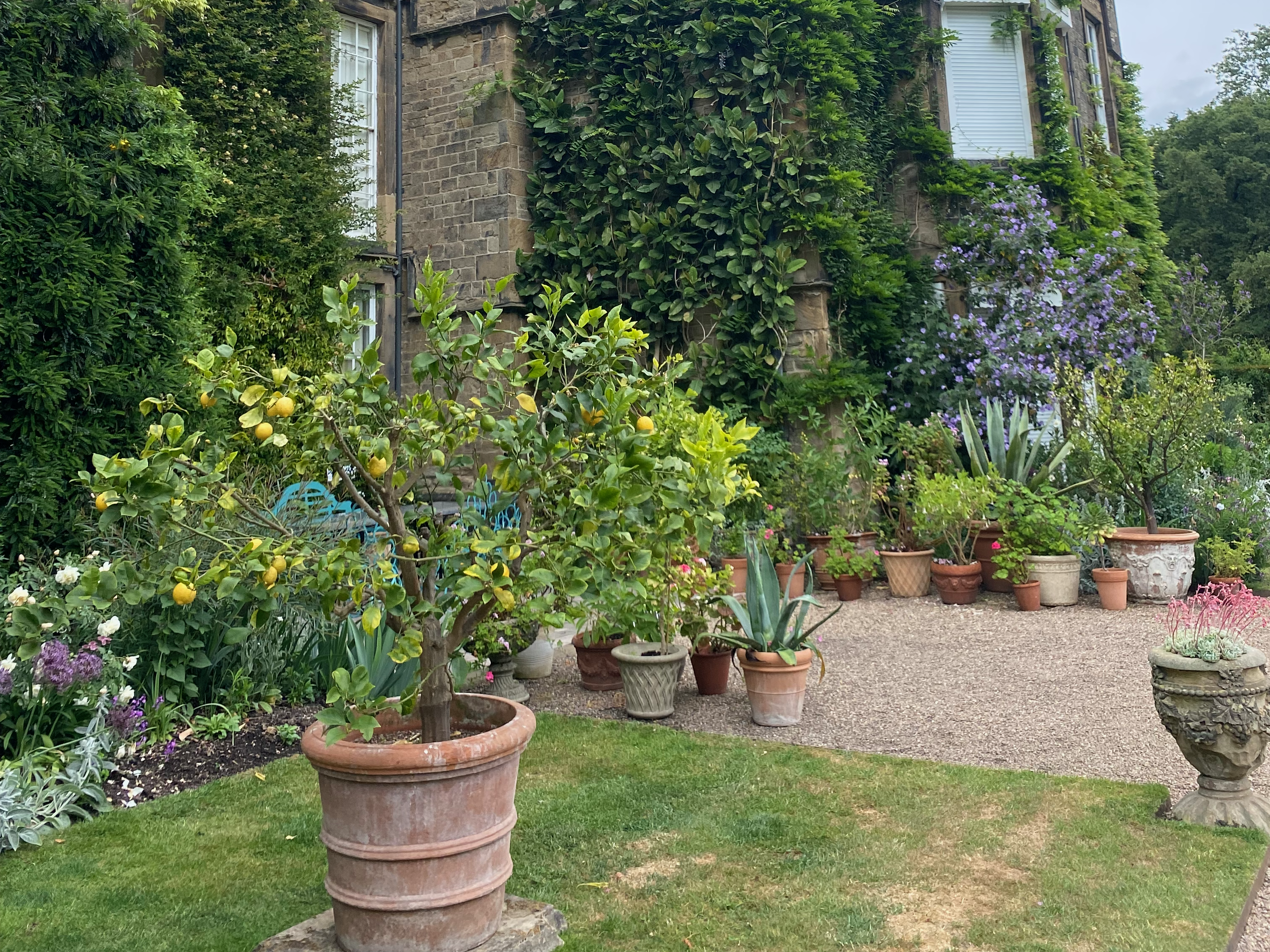
If you’ve got time, I’d highly recommend wandering through the gardens too. For £11, you get access to beautifully kept grounds dotted with classical statues, fountains, and woodland walks, not to mention two peaceful lakes tucked away at the bottom. It’s the kind of place that invites you to slow down and let the day linger.
Final Sip: An Unexpected Wine Haven
Renishaw Hall might not be the first place that springs to mind when you think of English wine—but maybe that’s exactly why it’s so memorable. There’s something quietly confident about what’s happening here: no fuss, no flash, just thoughtful winemaking in a surprisingly beautiful setting. The wines are honest, the people passionate, and the whole experience feels like a reminder that English wine has well and truly come into its own.
It’s the kind of day out that leaves you with muddy shoes, a camera roll full of vines, and a bottle (or two) tucked under your arm for later.
If you’re looking to explore English wine beyond the usual suspects—or just want a peaceful afternoon with good sips and even better scenery—Renishaw Hall is well worth the trip.
🍷 Have you been to any unexpected vineyards in the UK? Drop your recommendations in the comments or tag me on Instagram @the_curiouscork—I’m always looking for my next wine day out!

Discover more from The Curious Cork
Subscribe to get the latest posts sent to your email.
 The Curious Cork
As a keen gardener, Renishaw has been on my ‘to do’ list for a while. News of the vineyard and Renishaw’s inclusion in the 2025 Gardners’ World 2 for 1 guide has me reaching for the diary. What’s not to like?
LikeLike
Would definitely recommend going!
LikeLike