Sunshine (and rain!), vineyards, local food – what more could you want from a holiday? Often overshadowed by its neighbour Bordeaux, Bergerac is perched on the banks of the Dordogne, and was designated a Town of Art and History by the Ministry of Culture in 2013. Its rolling vineyards bask in warm summers, with just enough autumn mist to work its magic on the grapes for those luscious Monbazillac dessert wines.
During our stay, we embraced the local food and wine to its fullest – think confit de canard, truffles, cheese (of course), figs, and prunes. On the vinous side, Bergerac is home to 13 AOC’s, with wine being one of its biggest tourism draws. Here, both large estates and family-run wineries open their doors for tours and tastings, with Château de Monbazillac among the most famous.
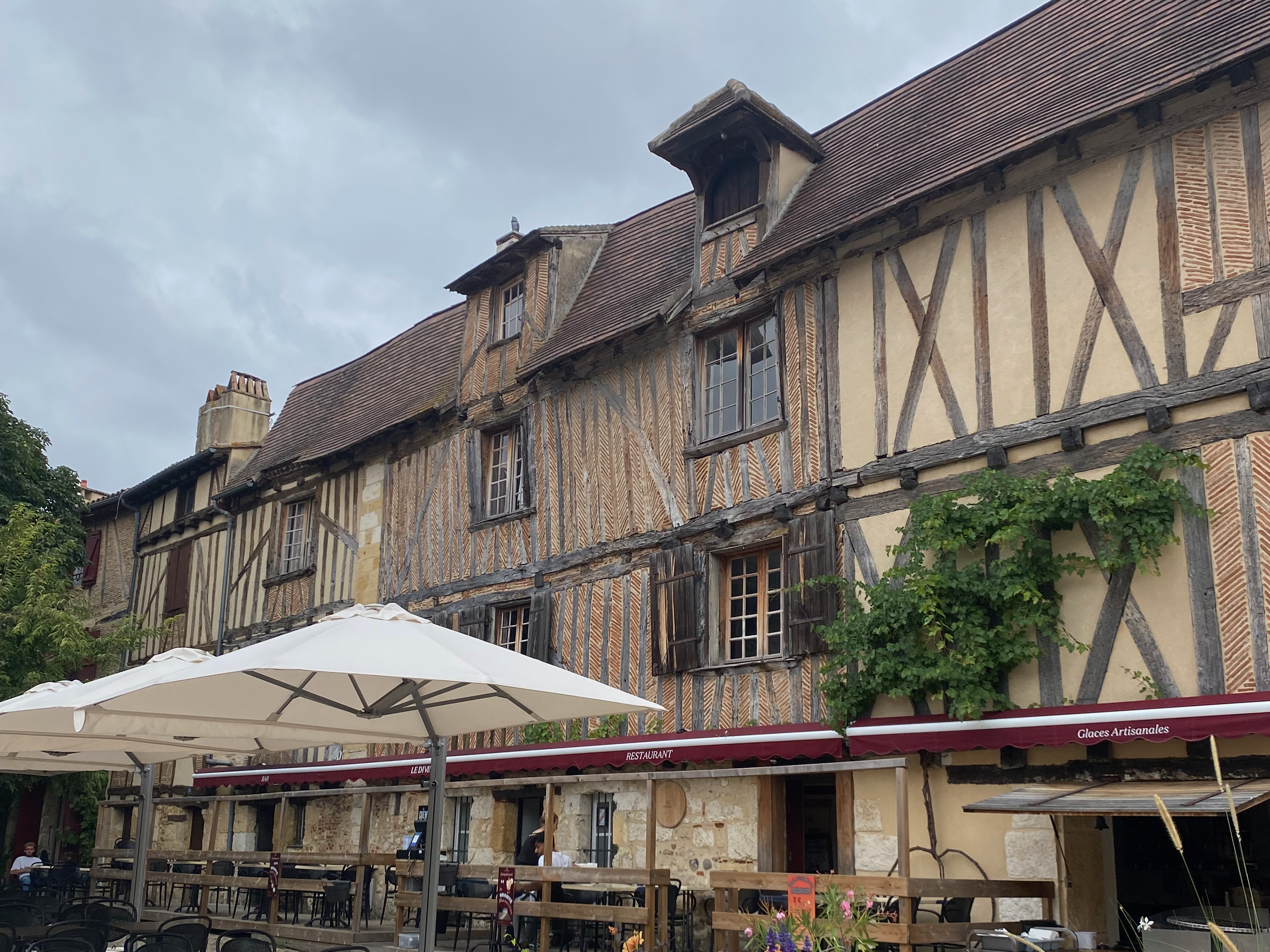
Bergerac in a Nutshell
Bergerac’s 13 AOC’s span red, white (dry, medium-sweet, and sweet) and rosé wines. Close proximity to the Dordogne River means excellent soil drainage, reducing the risk of water logging and encourages vines to grow deeper roots, as well as temperature regulation. Large bodies of water, like the River, act like a thermal blanket – they store heat in the summer and release it slowly in cooler months. In areas like Monbazillac, where dessert wine is produced, autumn mists from the river create morning humidity, encouraging the growth of Botrytis Cinerea (Noble Rot) to develop on grapes like Sémillon and Muscadelle.
The climate relies on its oceanic influences. Rainfall is evenly spread throughout the year. Unlike Bordeaux, which is susceptible to spring frost, Bergerac’s summers are warm and relatively dry, with humidity only returning in October.
Vine cultivation began here with the Romans, and by the 13th century the region was exporting wines along its navigable river routes. In 1254, Henry II of England began shipping vintages to England. For centuries, Bergerac wines were sold under the generic Bordeaux name, but by the 20th century, they were forced to establish a separate identity – and have been carving out their own niche ever since.
The grapes:
- Reds: Cabernet Sauvignon, Cabernet Franc, and Merlot (sometimes with Côt) – producing deeply coloured, full-bodied wines, as well as dry to medium-sweet rosés
- Whites: Sémillon, Sauvignon Blanc, Sauvignon Gris and Muscadelle – making aromatic, fruity wines that range from bone-dry to lusciously sweet
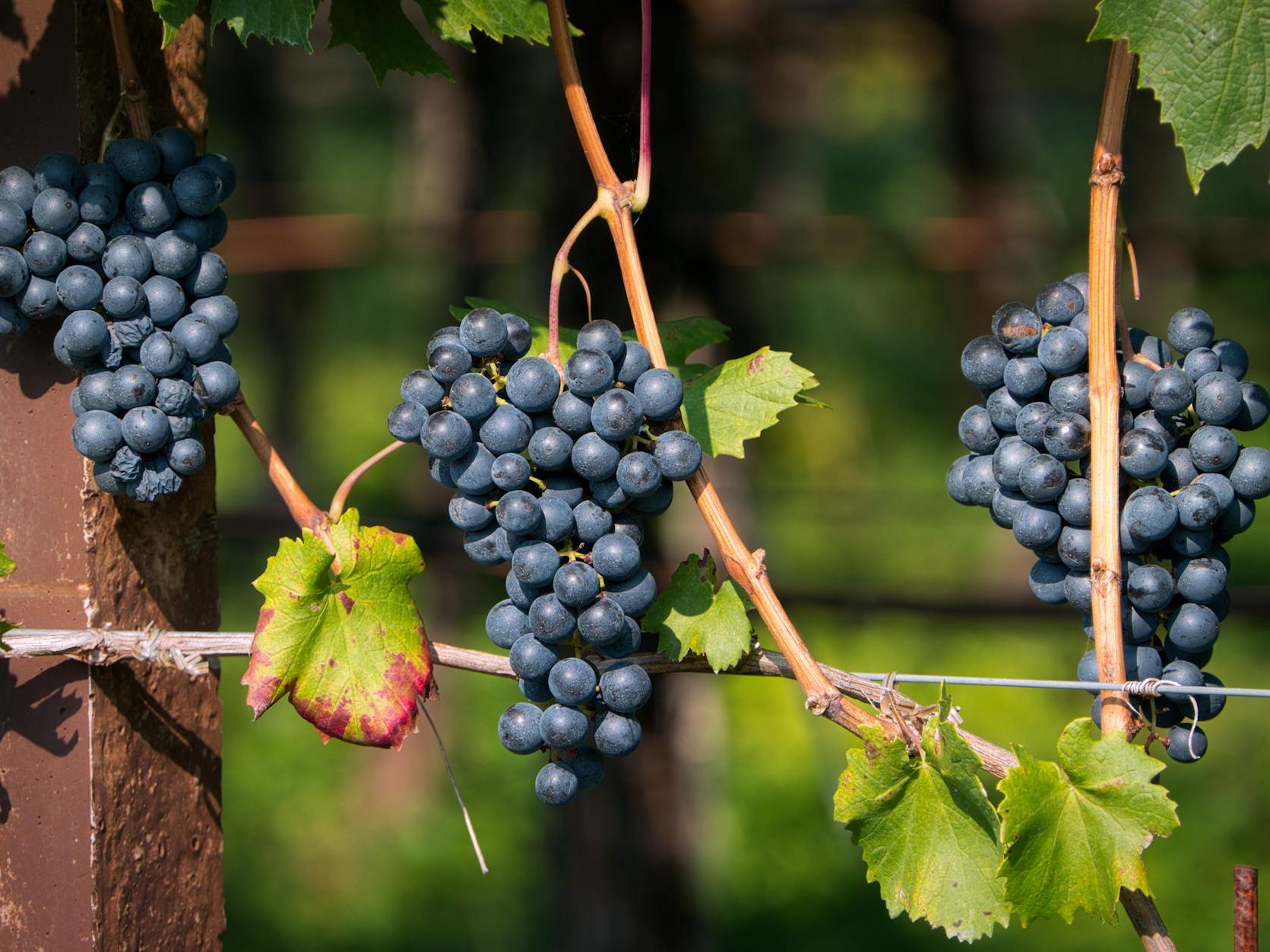
Domaine de Grange Neuve
Thanks to a gift voucher I’d been holding onto for a couple of years, I booked a visit to Domaine de Grange Neuve in Monbazillac. Our tour began with an overview of the region’s AOCs, including their recent acquisition of Domaine des Costes in Pécharmant. We walked among Sémillon vines destined for Monbazillac’s luscious dessert wines, learning about the magic of noble rot on the grapes (which, I promise, tastes much better than it looks!).
Much to my dad’s amusement, we were then shown the barn housing the estates various tractors and vineyard equipment. One point of pride for Grange Neuve is the ownership of its own “shaker” (grape harvester) – many local wineries share equipment due to cost, but having their own allows them to harvest at the exact optimal moment for their grapes.
Next, we explored the fermentation tanks – stainless steel, and concrete in the walls – before descending into the cool cellars filled with oak barrels. Here, French oak is used to soften tannins and develop tertiary flavours like smoke and cedar.

Finally, we sat down to a charcuterie board of local delights – magret (duck breast), regional sheep’s cheese, truffle butter, confit de canard, and naturally, a baguette – while tasting their full portfolio.
Standouts included:
- AOP Bergerac Rosé: Wild strawberry, raspberry and cherry. Fresh and level – perfect as an aperitif, or with salads, charcuterie or tapas
- AOP Bergerac Rouge (aged in oak): Hints of toast, vanilla, dark chocolate and prunes. Velvety tannins with excellent length
- AOP Bergarac Sec: Dry white with notes of white peach and citrus. Ideal with seafood, salads and light cheeses
- AOP Pécharmant Cuvée “Grand Reserve”: notes of cherry, damson and dried prunes, an expressive and powerful nose leads to vanilla and spice notes with a great finish
- AOP Monbazillac Cuvée Prestige “Soma”: Apricot and warm spice with beautiful length – a dessert wine to linger over
Other Wines Tried
One rainy lunch, we enjoyed an AOC Duras Rosé – a pale, dry, strawerry-and-raspberry laced beauty, and a great alternative to Provence rosé. We drank it with pizza under the drizzle, and it was still a crowd pleaser.
When visiting Issigeac, a medieval town in the area, we had an AOP Bergerac Red – paired with confit de canard, the blending of cherries, blackberries and violets shone. So popular, that we had to order another carafe!

Why Bergerac Wines Deserve More Attention
Bergerac offers outstanding quality-to-price value. Bordeaux’s prices reflect its prestige, but Bergerac delivers distinctive wines, crafted with care, at more accessible prices. The variety is remarkable for such a small region – from crisp, dry whites, to indulgent dessert wines.
Winemakers here are deeply connected to their land, adapting vineyard practices to suit each site, and innovating where possible. Wineries here, also aim to engage in sustainable activities, preferring to leave the vines to grow with minimal intervention wherever possible. Visitors are warmly welcomed, with tastings and tours designed to share both the wines and the region’s charm.

Final Sip: Don’t forget the Dordogne
You can find Bergerac wines in UK supermarkets like Tesco and Sainsbury’s, or through wine merchants like Yapp Brothers. Their diversity makes them food-friendly:
- Dry whites and rosés: Pair with seafood, salads, charcuterie
- Reds: Match with lamb, duck, or venison
- Sweet wines: Serve with berries, cheese, or light desserts
If you’ve discovered a wine region a little off the beaten track, I’d love to hear about it – share in the comments or find me on Instagram @the_curiouscork!
Discover more from The Curious Cork
Subscribe to get the latest posts sent to your email.
 The Curious Cork