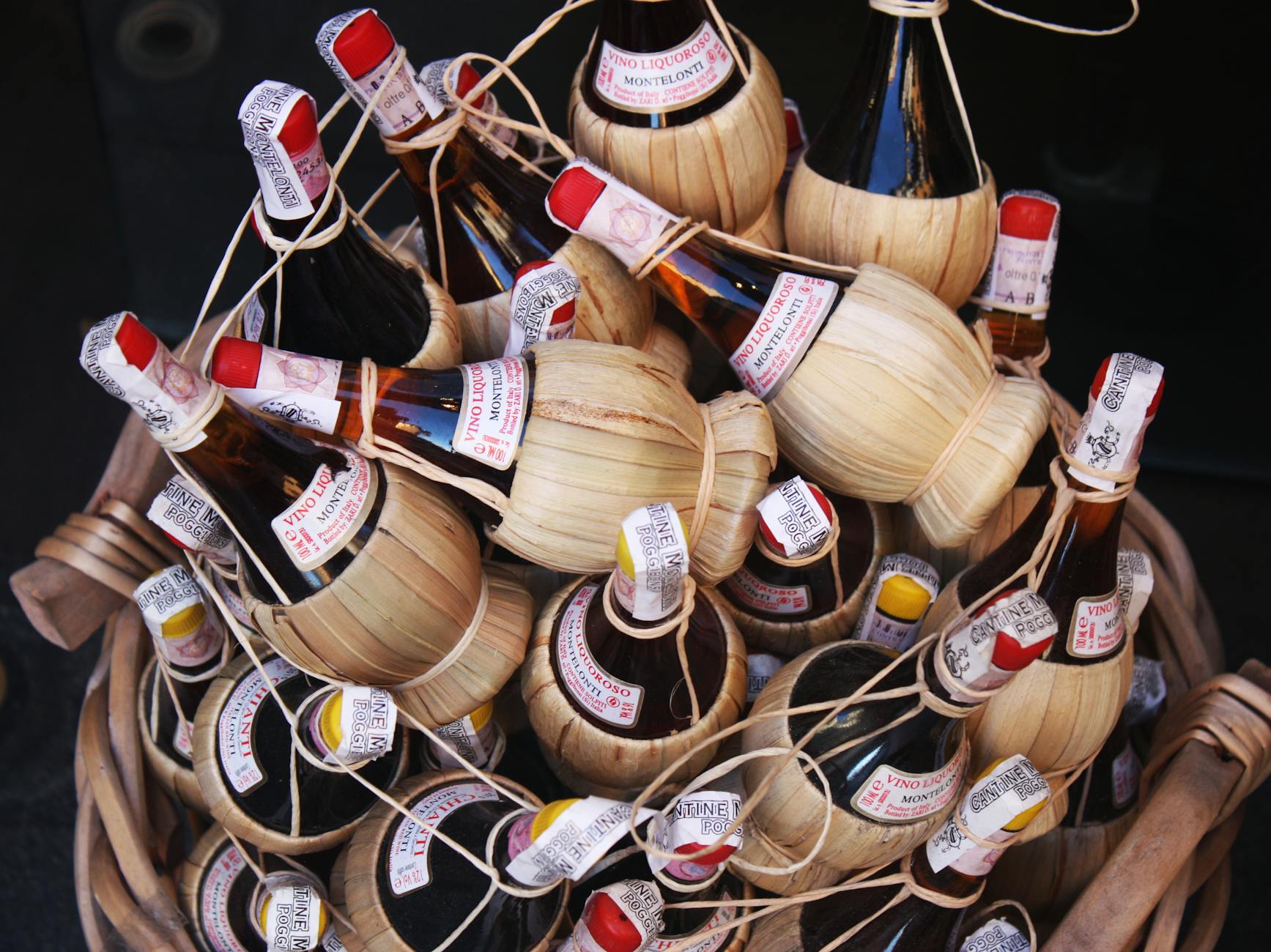
Chianti — for many, the name still conjures a squat straw-covered bottle, the fiasco. While once symbolic of the region, that image is now more relic than reality. Today, Chianti is experiencing a quiet renaissance — far from rustic or forgettable, it’s become one of Italy’s most expressive and characterful reds. After tasting Chiantis ranging from 1969 to 2021, I felt compelled to explore why this region is so captivating — and why it deserves far more recognition than it gets.
What is Chianti?
Chianti is a red wine made primarily from Tuscany’s signature grape, Sangiovese. In the Chianti DOCG, wines must contain at least 70% Sangiovese; in Chianti Classico DOCG, that minimum rises to 80%. Blending grapes can include local varieties like Canaiolo and Colorino, or international ones such as Merlot and Cabernet Sauvignon.
Despite its fame, Chianti has long struggled with an outdated reputation. Yet today’s top bottlings are structured, elegant, and age-worthy — brimming with bright cherry fruit, earthy spice, and vibrant acidity.
A Quick Look Back
The name “Chianti” first appeared in 1398, but the region’s boundaries were officially defined in 1716 by Grand Duke Cosimo III — making it one of the world’s first legally protected wine zones. Initially, this area covered a small territory between Florence and Siena.
In 1872, statesman Bettino Ricasoli proposed a Sangiovese-based blend that became the template for modern Chianti. Then in 1932, the Italian government expanded the Chianti designation significantly, folding in areas beyond its historic heartland. This move broadened the region’s output — but also muddied its identity.
To preserve the integrity of the original zone, producers formed the Consorzio Vino Chianti Classico (Chianti Classico Consortium) in 1924, adopting the now-iconic Black Rooster (Gallo Nero) seal. Both Chianti and Chianti Classico were granted DOCG status in 1984, though they remained grouped together until 1996, when they were finally recognized as distinct appellations.

Understanding the Chianti Sub-Regions
Modern Chianti DOCG is divided into seven sub-regions:
- Chianti Classico (the historic zone between Florence and Siena)
- Chianti Colli Fiorentini
- Chianti Colli Senesi
- Chianti Colli Aretini
- Chianti Colline Pisane
- Chianti Montalbano
- Chianti Rufina
- Chianti Montespertoli (added in 1997)
The key distinction is between Chianti DOCG and Chianti Classico DOCG — two separate DOCGs with different rules and terroirs.
In short:
| Chianti DOCG | Chianti Classico DOCG | |
| Legal Recognition | 1932 (DOCG in 1982) | 1716 (historic zone), 1982 (DOCG) |
| Grape Composition | Minimum 70% Sangiovese | Minimum 80% Sangiovese |
| White Grapes | Permitted | Prohibited (since 2006) |
| Minimum Ageing (Annata) | 3 months | 12 months |
| Minimum Ageing (Riserva) | 2 years | 2 years |
| Minimum Ageing (Gran Selezione) | Not allowed | 30+ months, estate-grown only |
| Gallo Nero seal? | No | Yes |
| Style | Accessible, variable | Structured, terroir-driven |
Chianti Classico DOCG represents the region’s historic core. Its higher altitudes (up to 600m), stony soils (especially galestro and alberese), and cooler climate yield wines with greater structure, tension, and ageing potential. Classico introduced the Gran Selezione tier in 2014 — estate-only wines aged for a minimum of 30 months, now widely seen as the pinnacle of quality.
Chianti DOCG, by contrast, encompasses a broader and more diverse area. Styles and quality levels vary, though some sub-regions — like Chianti Rufina, with its elevated vineyards and cooler conditions — are gaining serious attention for their finesse and balance.

What’s in the Glass?
Sangiovese brings lifted red cherry, violet, tomato leaf, and dried herb to Chianti, alongside high acidity and firm, food-friendly tannins.
- Chianti DOCG (basic): Light-bodied, fresh, and approachable — a great everyday option.
- Chianti Classico Annata: Offers more depth, spice, and structure, while remaining versatile and vibrant.
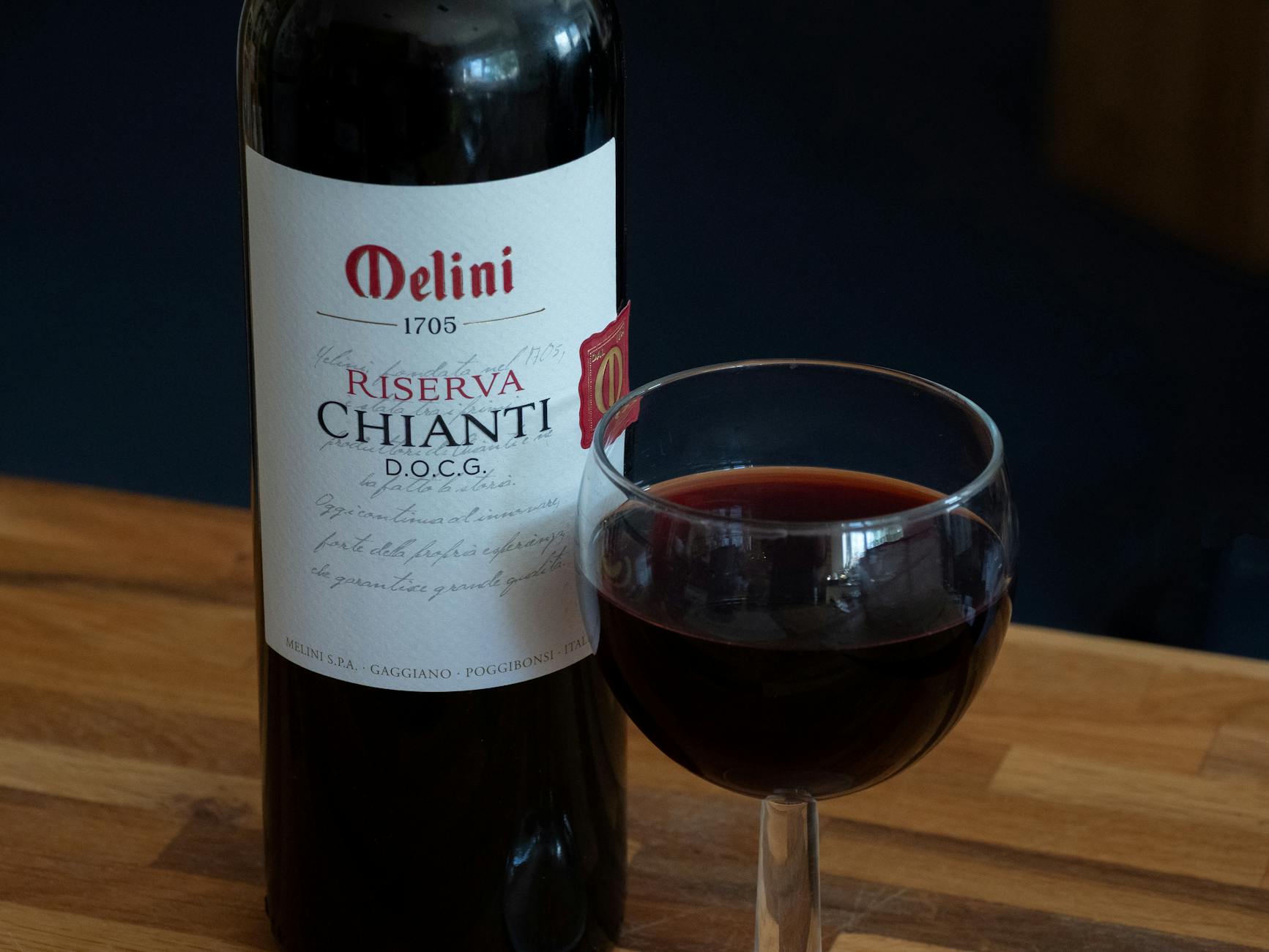
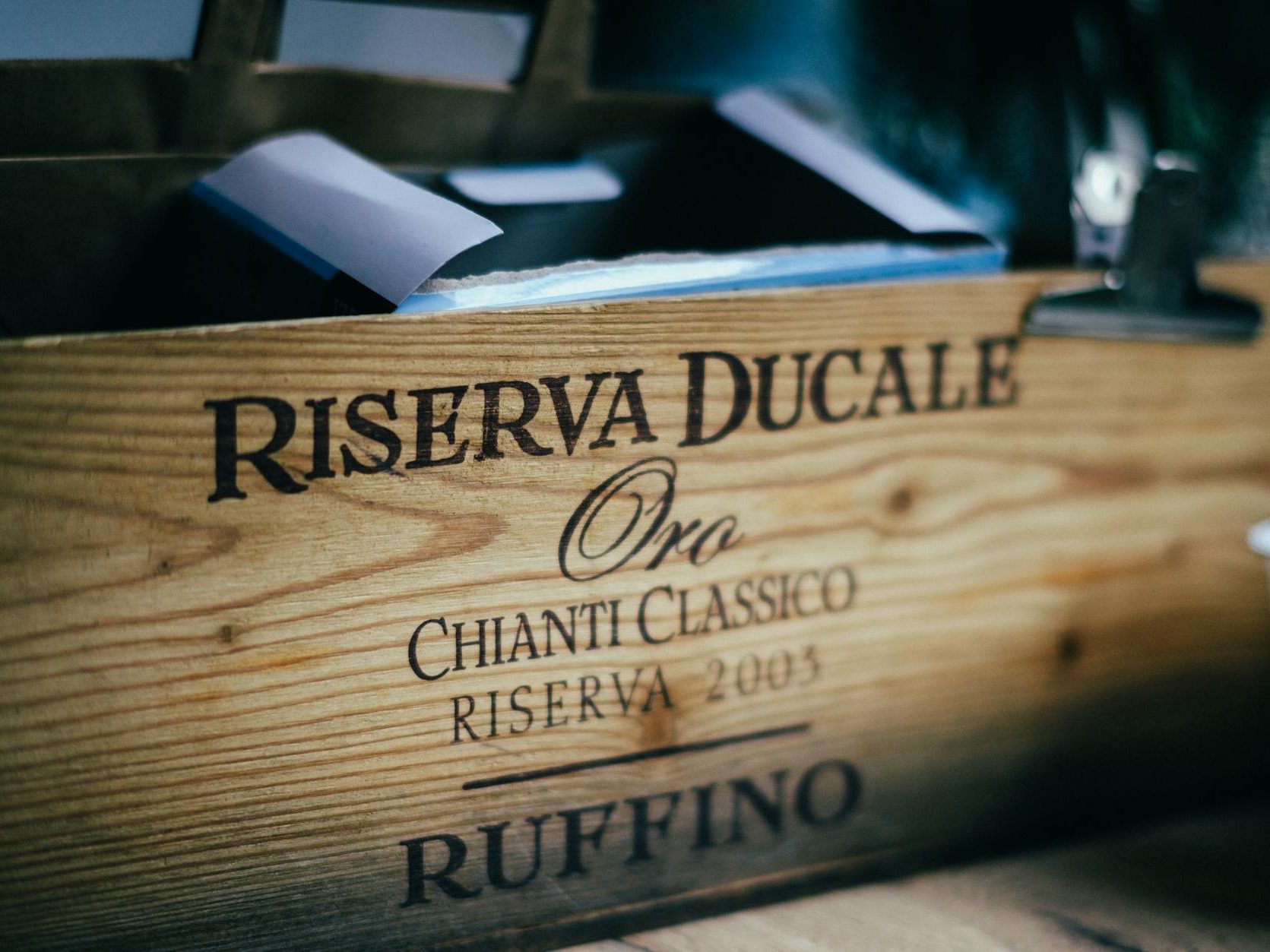
- Riserva: Aged for a minimum of 2 years, these wines show darker fruit, savoury notes, and more complexity.
- Gran Selezione: Only in Chianti Classico — powerful, site-specific wines with real ageing potential.
What to Eat with Chianti
Few wines are as food-flexible as Chianti. Its acidity and savoury notes make it ideal with:
- Bistecca alla Fiorentina
- Ragù-based pastas
- Pecorino Toscano or Parmigiano-Reggiano
- Pizza with tomato and cured meats
- Mushroom risotto
Lighter styles also work with roast chicken, lentil stew, or veggie lasagna — it’s all about matching the weight of the wine with the dish.
The Chianti Renaissance
Following WWII, Chianti enjoyed a surge in global popularity—but quality declined as producers chased quantity. By the late 20th century, Chianti was synonymous with cheap, forgettable wine in a straw basket.
Enter the Super Tuscans: rebellious winemakers who ignored DOC rules to craft bold, high-quality wines, often using international grape varieties and French oak. Though not always labelled as Chianti, these wines pushed the region to raise its game.
Today, a new generation of winemakers is returning to native grapes and traditional methods—while embracing modern viticulture, better canopy management, and a restrained use of oak. Many are now farming organically or biodynamically, producing wines that express their place with elegance and authenticity.
Final Sip: Why Chianti?
Chianti is no longer just one thing. From the rustic, trattoria-ready bottle to the cellar-worthy Gran Selezione, this region offers layers of history, diversity, and personality. It’s time to look past the straw-wrapped cliché and give Chianti its due.
I recently had the pleasure of trying a 1969 Castello di Monsanto Chianti Classico Riserva, and its notes of dried cherry, earthy and leather, did not disappoint! Had a Chianti recently that surprised you? Drop me a message or comment on Instagram @the_curiouscork — I’d love to know what’s in your glass.
Discover more from The Curious Cork
Subscribe to get the latest posts sent to your email.
 The Curious Cork