Ever heard someone swirl their glass and say “Ah, fantastic minerality”, and you just smiled and nodded, secretly wondering if they were talking about rocks?
Wine-speak can get intimidating fast, but the truth is: you don’t need a diploma or a dictionary to talk about wine confidently. A few key terms go a long way—and once you know them, you can drop them into conversation like a total pro (without becoming that person at the table).
So, here are 10 fancy-sounding wine words, demystified:
🍇 1. Tannins
What people say:
“This red is so tannic—I love it.”
What it actually means:
Tannins are naturally occurring compounds found in grape skins, seeds, and stems. They give wine that drying, slightly bitter, puckery sensation—like over-brewed black tea.
How to sound like a pro:
“I love a bold red with grippy tannins—especially with roast beef.”
How to handle it:
If tannins feel too harsh, decant the wine to soften them, or pair with protein-rich food like steak, lamb, or mushrooms to mellow their impact.

💧 2. Legs
What people say:
“Look at those legs running down the glass!”
What it actually means:
Legs are the streaks of wine that slowly drip down the inside of your glass after swirling. They’re caused by alcohol or sugar, not by wine quality.
How to drop it casually:
“Nice legs… but I’m more interested in what’s in the glass.”
How to handle it:
Feel free to admire them, but don’t read too much into it. Taste > appearance every time.

🧂 3. Minerality
What people say:
“This wine has a lot of minerality.”
What it actually means:
A catch-all for flavours like wet stone, flint, chalk, or salinity—often found in crisp, cool-climate whites like Chablis or Albariño.
How to play it cool:
“There’s a real mineral edge to this—it reminds me of sea spray.”
How to handle it:
Minerality pairs beautifully with seafood or salty dishes. If you’re not into fruity wines, mineral styles might be your thing.

🛏 4. Structure
What people say:
“That wine has great structure.”
What it actually means:
Structure refers to how the wine’s components—acidity, tannin, alcohol, body—work together. It’s the framework that supports flavour and ageing.
How to fake it till you sip it:
“This has lovely structure—it’s drinking well now but has room to evolve.”
How to handle it:
Wines with good structure are often great with food or for cellaring. If you want something softer, go for fruit-forward or low-tannin options.
🦠 5. Corked
What people say:
“Ugh, this wine’s corked.”
What it actually means:
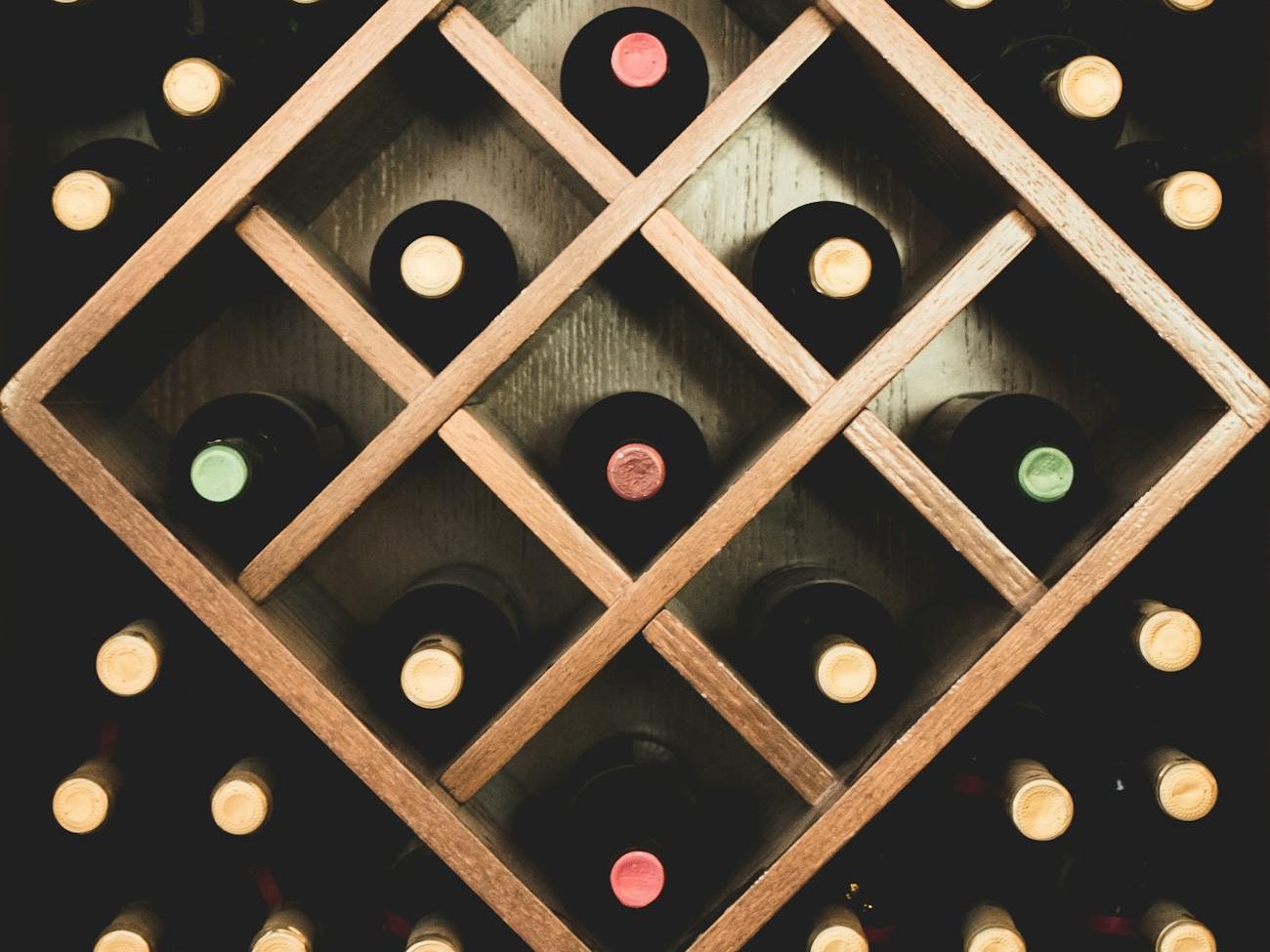
A wine fault caused by a tainted cork (TCA), making it smell like damp cardboard or musty basements. Not harmful, just unpleasant.
How to use it smartly:
“I think this might be corked—do you smell that musty note?”
How to handle it:
If your wine smells off or flat, don’t be shy—ask for a replacement. Corked wine happens, and good places won’t bat an eye.

🍋 6. Acidity
What people say:
“This white is so zippy—it’s got loads of acidity.”
What it actually means:
Acidity gives wine its brightness and freshness. It makes your mouth water and helps wine pair well with food.
How to sneak it into conversation:
“That zingy acidity cuts through the richness—great with creamy dishes.”
How to handle it:
Love crisp wines? Look for grapes like Riesling, Sauvignon Blanc, or Albariño. If it’s too sharp, pair with salty or fatty foods to soften it.

🧈 7. Malolactic (Fermentation)
What people say:
“This Chardonnay is so buttery—definitely gone through malo.”
What it actually means:
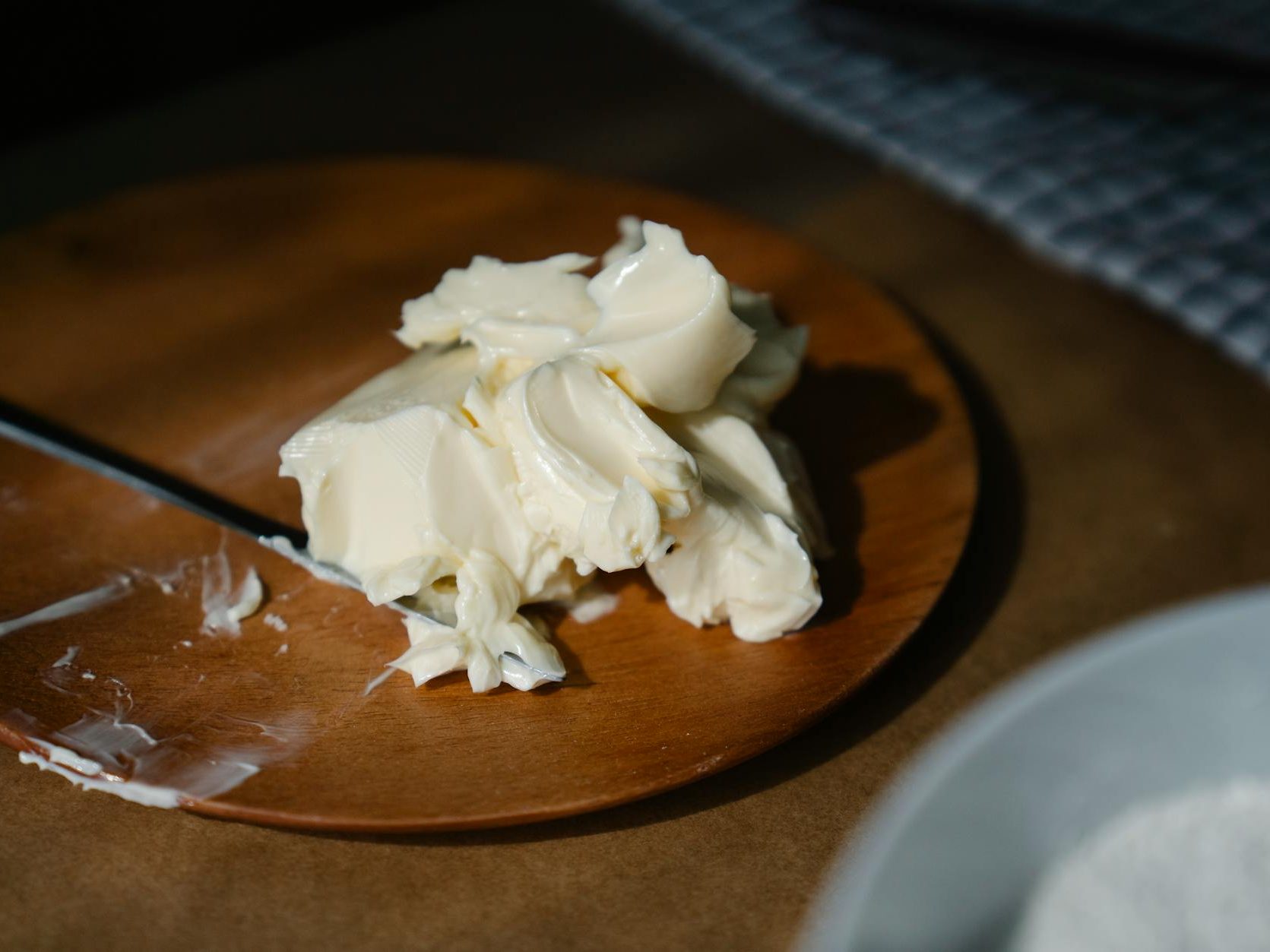
A secondary fermentation that transforms tart malic acid (like green apple) into softer lactic acid (like cream or butter). Adds richness and roundness.
How to impress (without being extra):
“You can really taste the malo—it’s got that creamy texture.”
How to handle it:
Prefer a buttery wine? Seek out barrel-aged Chardonnays. Not a fan? Look for unoaked or cool-climate styles labelled “crisp” or “fresh.”
🌸 8. Aromatics
What people say:
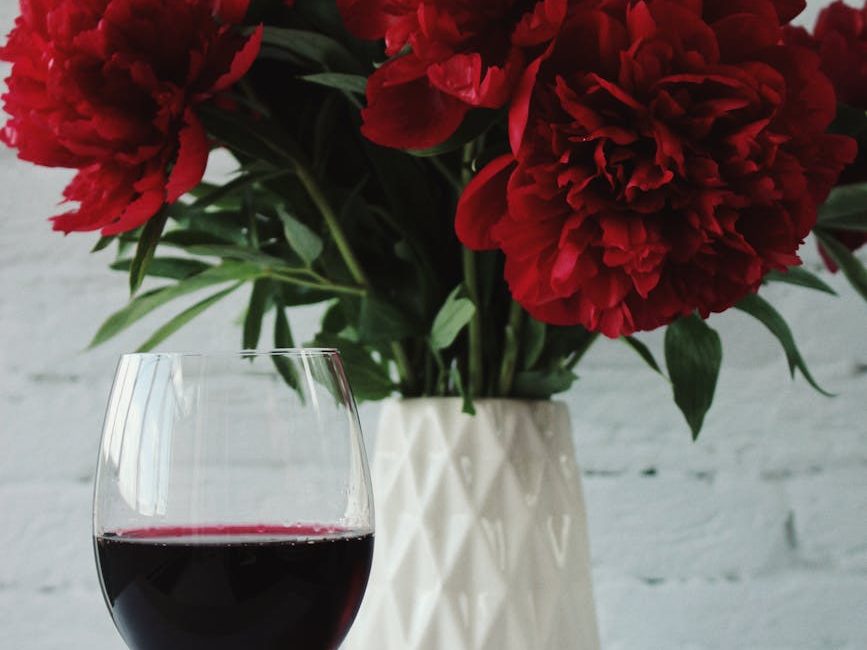
“Wow, the aromatics are amazing—it smells like a bouquet.”
What it actually means:
Aromatics refer to the smells in wine, from floral to fruity to spicy. Some wines (like Gewürztraminer or Muscat) are particularly expressive.
How to name-drop like a natural:
“This wine’s so aromatic—lychee, rose petal, a little ginger too.”
How to handle it:
Always give your glass a swirl and a sniff—aromatics can tell you a lot before you even taste. Great with spicy or fragrant dishes.
🔥 9. Volatile (Acidity)
What people say:
“There’s a bit of volatility here—it really lifts the nose.”
What it actually means:
A tiny bit of vinegary sharpness or nail polish remover scent. Small amounts add interest, but too much is a fault.
How to sip and say it:
“There’s a touch of VA, but it actually adds complexity.”
How to handle it:
If it overwhelms the wine, it might be flawed. If subtle, it can enhance certain styles (especially natural wines). Trust your nose.
🎯 10. Finish
What people say:
“That finish goes on forever—amazing.”
What it actually means:
Finish is how long the flavours last after you swallow. A long, pleasant finish usually means a well-made wine.
How to sound like you know your stuff:
“The smoky finish just lingers—it’s really well done.”
How to handle it:
Pay attention after each sip. A short finish isn’t always bad, but a long one usually signals complexity and quality.
💬 Final Sip
Learning wine lingo isn’t about sounding posh—it’s about having the words to describe what you’re tasting, and what you love. And the best wine pros? They’re curious, not condescending.
So next time you’re at a tasting, feel free to talk tannins and finish—but keep it fun.
Let me know in the comments if there are any other words you would like demystified! You’ve got this. 🍷
Discover more from The Curious Cork
Subscribe to get the latest posts sent to your email.
 The Curious Cork