
I didn’t expect to come home from Romania raving about wine – but one pour of Fetească Neagră changed that. Wandering around Bucharest and Brașov, there were plenty of opportunities to pause, take in the scenery—and sip something local. I tasted white, red, and rosé, though sparkling wine is also part of Romania’s offering.
Let’s discover it together!
Romanian Wine Culture
What many don’t realise is that Romania is one of the world’s largest wine producers—and the sixth-largest in Europe, just behind Italy, France, Spain, Germany, and Portugal. In recent years, it’s drawn interest from European wine buyers and entrepreneurs thanks to the affordability of both land and bottles compared to countries like France or Italy.
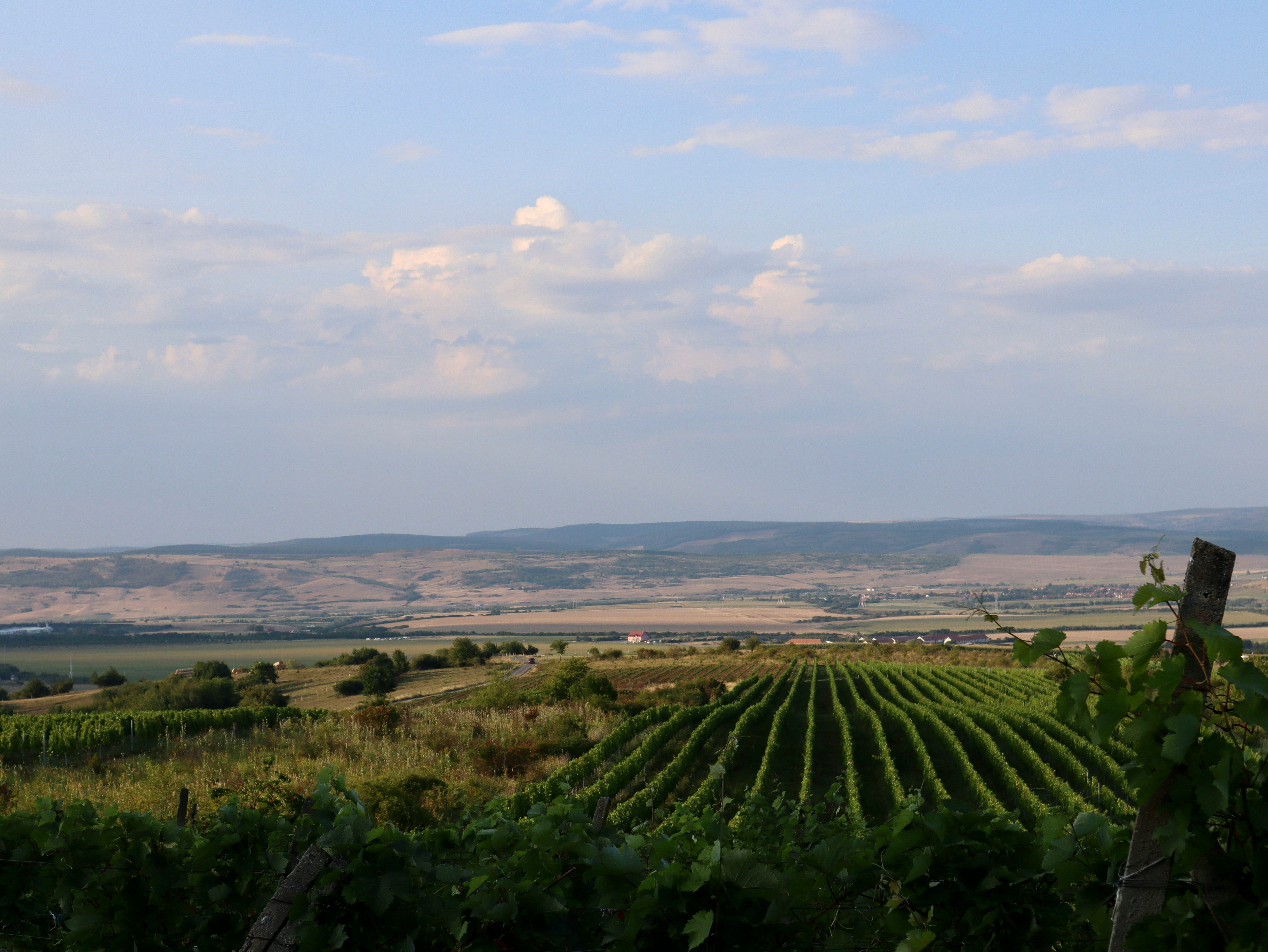
Viticulture here dates back over 6,000 years. The country’s hilly terrain, favourable climate, and varied soils made it ideal for vine-growing. Before phylloxera devastated Europe’s vineyards in the 1880s, each Romanian region had its own local varieties and distinct styles.
In the aftermath of phylloxera, Romania’s vineyards were largely replanted with international varieties, setting the stage for a modernised—but increasingly homogenised—wine industry. This direction intensified under Communist rule, when production became centralised and output-focused, with quantity prioritised over character. Indigenous grapes and traditional techniques were often pushed aside. Yet beneath the surface, regional winemaking traditions quietly endured.
It wasn’t until the fall of Communism in 1989 that these long-standing roots could truly re-emerge, sparking a renaissance of quality and identity in Romanian wine. Family-run wineries, a return to indigenous grapes, and a quality-first philosophy have led to a more diverse and exciting wine scene—ranging from dry and off-dry to sweet styles.
Grapes You Should Know
While international varieties still play a role, today there’s a strong movement toward rediscovering Romania’s native grapes. Each wine region brings its own specialties to the table. Here are a few worth remembering:
- Fetească Neagră (red) – dark, spicy, plummy
- Băbească Neagră (red) – lighter-bodied, fruity
- Fetească Regală (white) – crisp, floral, great with food
- Fetească Albă (white) – delicate and mineral-driven
- Tămâioasă Românească (white) – aromatic and perfumed
Where the Magic Happens: Regions to Watch
Romania’s wine map is as diverse as its landscape—stretching from the cooler hills of Transylvania to the sun-soaked plains near the Black Sea. Each region brings its own microclimate, grape varieties, and style. Here are a few key areas worth knowing:
- Dealu Mare – bold reds and structured whites
- Cotnari – sweet wines and aromatic whites
- Transylvania – cooler-climate elegance, fresh whites
- Murfatlar & Dobrogea – warmer reds, coastal influence near the Black Sea
Tasting Notes from My Trip
Keen to try everything, we tasted a full spectrum: white, red, and rosé.
Bucharest, Day 1:
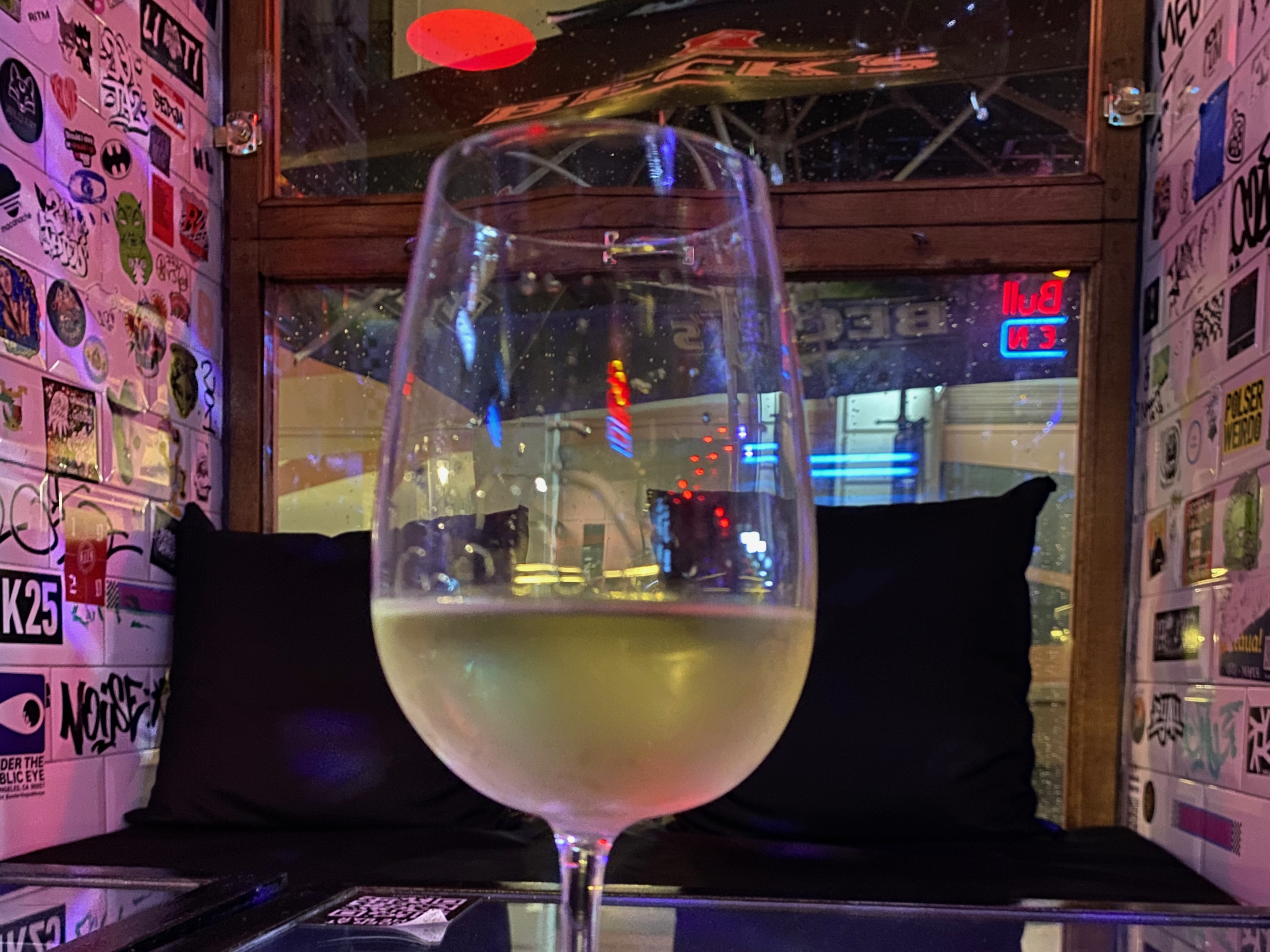
After arriving at midnight, our food and wine hunt led us to The Urbanist, a stylish late-night bar on the edge of the Old Town. Alongside some much-needed pizza, I sipped my first Romanian wine—Tămâioasă Românească. Crisp, aromatic, and lively, it offered notes of grapefruit, elderflower, and minerality. A delicious first impression.

Bucharest, Day 2:
At Abel’s Wine Bar, I started with a waiter-recommended rosé called La Sapata. Made from the Băbească Neagră grape, it gave off flavours of white peach, wild strawberries, and cherry. Aromatic and fresh, it’s great alternative to Provence—with the same dry, pale style that’s so in demand.

We also shared a bottle of Șarba, a rare local white grape that descends from Tămâioasă. Tasted at Hanul lui Manuc, a beautiful Ottoman inn built in 1808, it had a zesty profile with lime and grapefruit, replacing the more floral notes usually associated with the variety. Paired with turkey and ram pastrami, it held its own beautifully.
As the locals say: “Dip your lip, then sip and sip; then get a grip so you won’t trip!”

Brașov, Final Night:
At La Ceaun, we sampled the country’s signature red. The Vinul Casei Roșu (House Red) brought ripe cherry, raspberry, and blackberry notes. Served with pork ribs and beef goulash, it was a hearty match and a great showcase of what Romanian reds can deliver.
Isn’t it wild how a grape you’ve never heard of can taste so familiar?
These wines carried the warmth of the people and the soul of the land—inviting, expressive, and somehow nostalgic, even if it’s your first sip.
Why Romanian Wine Deserves a Spot on Your Radar
Romanian wine delivers quality at surprisingly good value. Everything in Romania is cheaper than in the UK, but I still did a double-take when a decent bottle cost just £3.17. Indigenous grapes like Șarba or Fetească Neagră offer unique flavours you simply won’t find elsewhere, and the variety of styles—from aromatic whites to bold reds—makes them incredibly food-friendly.
For the adventurous wine lover, Romania offers something unexpected, affordable, and utterly delicious.
Where to Find Romanian Wine in the UK
Curious to try Romanian wine for yourself? The good news is that it’s becoming increasingly available in the UK, both online and on the high street. Specialist wine shops and importers often carry bottles from producers like Cramele Recaș, Domeniile Săhăteni (owned by Aurelia Vișinescu), and SERVE, which are known for balancing tradition with modern winemaking.
Supermarkets like Waitrose and Majestic occasionally stock Romanian wines—particularly Fetească Regală, Pinot Noir, and blends. For a deeper dive, websites like The Wine Society, Naked Wines, and Novel Wines offer curated selections with tasting notes, food pairings, and background on the wineries.
If you prefer to explore in person, Eastern European grocery stores and independent wine merchants in larger UK cities are often hidden gems for discovering lesser-known bottles at excellent prices.
So whether you’re after something aromatic, bold, or refreshingly different—Romania might just surprise you.

Final Sip: An Unexpected Surprise
Romania wasn’t on my wine radar—until it was. And now? I’m hooked. From crisp, floral whites and juicy rosés to spicy, characterful reds, Romania delivers wines that are expressive, affordable, and full of personality. Native grapes like Fetească Neagră and Tămâioasă Românească bring something genuinely different to the table, while the country’s mix of tradition, innovation, and regional diversity makes it a rewarding place to explore—both in the glass and on the ground.
If you’re curious to taste something new, why not track down a bottle of Fetească Neagră or Tămâioasă Românească? Let your next wine night be a little more adventurous—and if you do, I’d love to hear what you tried and what you thought! Drop a comment below or tag me on social media @the_curiouscork.
Discover more from The Curious Cork
Subscribe to get the latest posts sent to your email.
 The Curious Cork