Orange wine – it’s the buzzword taking London by storm, but did you know it’s made from white wine grapes? To achieve its trademark amber hue, winemakers keep the grape skins and juice in contact for days or months – similar to red winemaking. This is a stark contrast to white winemaking, where the skins are typically removed before fermentation.
So, why the sudden rise in popularity? It’s a bridge between red and white — with the grip of one and the brightness of the other. It is slightly tannic, but still refreshing and full of character. And with consumers seeking out natural wines made sustainably with minimal intervention, orange wines are fitting right into that trend.
In this post, we’ll dive into the fascinating history of orange wine, its resurgence in the modern world, winemaking traditions, and of course, some tasty food pairings.
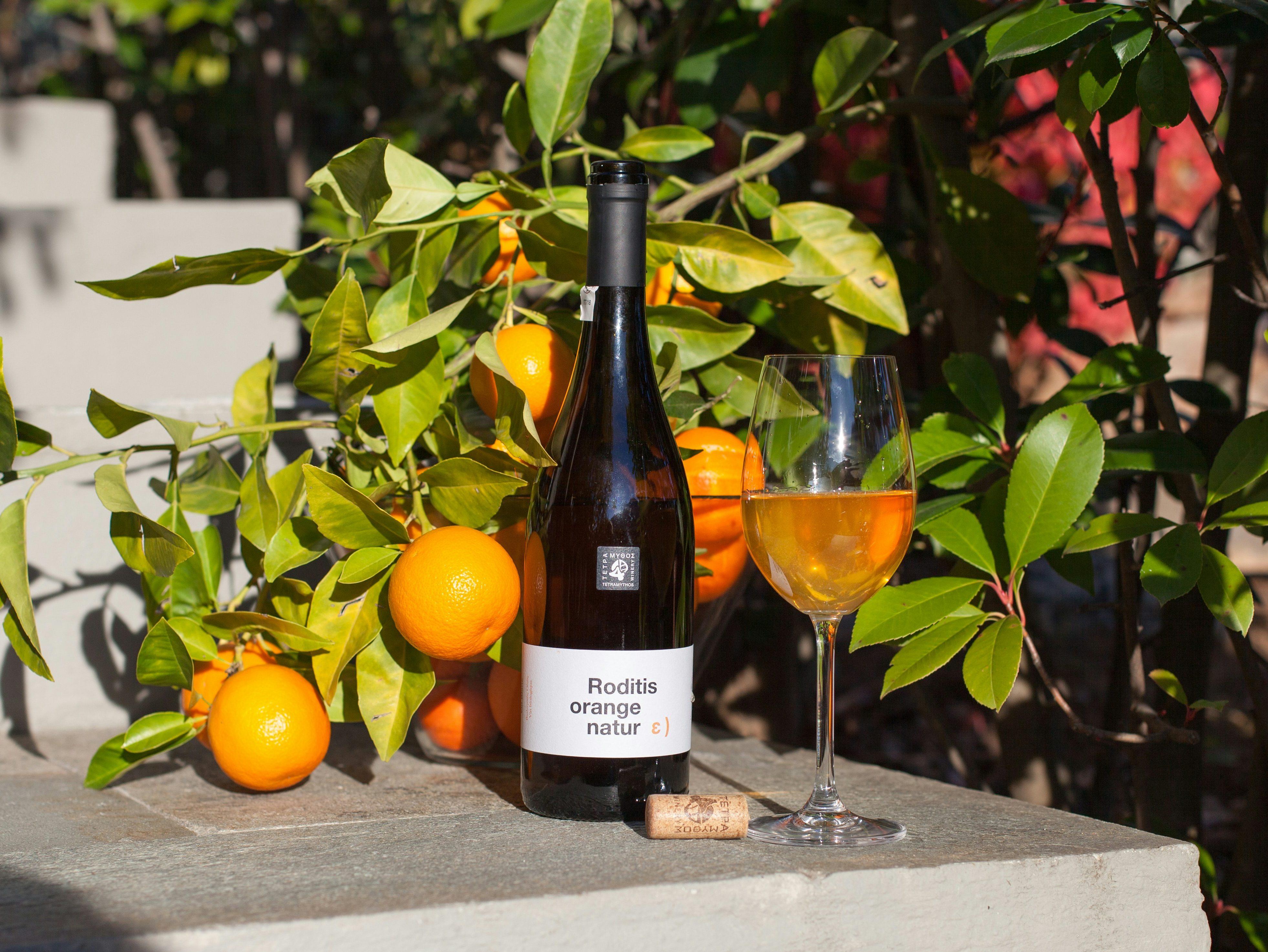
Debunking Some Myths about Orange Wine
- Is Orange Wine made from oranges? – Nope, despite the name, it’s not made from oranges. The colour comes from fermenting white wine grapes with their skins, similar to how red wine is made.
- Is Orange Wine just a passing trend? – Far from it! The practice dates back over 8,000 years in places like Georgia, where winemakers have been using clay pots, known as qvevri, to ferment wine with its skins.
- Are all Orange Wines “funky” or overly tannic? – While some orange wines may have a bold or “funky” profile, many are more approachable with flavours that aren’t too overpowering.
- Are all Orange Wines Natural? – While many orange wines are made with minimal intervention, the style’s growing popularity means even larger, more conventional producers are now getting in on the action.
Here’s a peek into the process of making orange wine:
- Harvesting & Crushing: White grapes are picked at the perfect ripeness and gently crushed to release the juice.
- Skin Contact: The grapes, juice, skins, and seeds are left to mingle for a while—this can be anywhere from a few days to several months.
- Fermentation: Yeast feeds on the sugars, and the skins impart colour, tannins, and rich flavours into the wine.
- Ageing & Bottling: The wine is transferred to barrels or tanks for a period of ageing before being bottled.
What sets orange wine apart is its texture and grip – qualities you don’t normally associate with white grapes. That’s all thanks to skin contact, which brings structure, savoury notes, and a bit of wildness into the glass. And since many orange wines are crafted in a hands-off style, letting nature take the lead, they often fall into the natural wine camp — no additives, no makeup — just grapes, skins, and time.
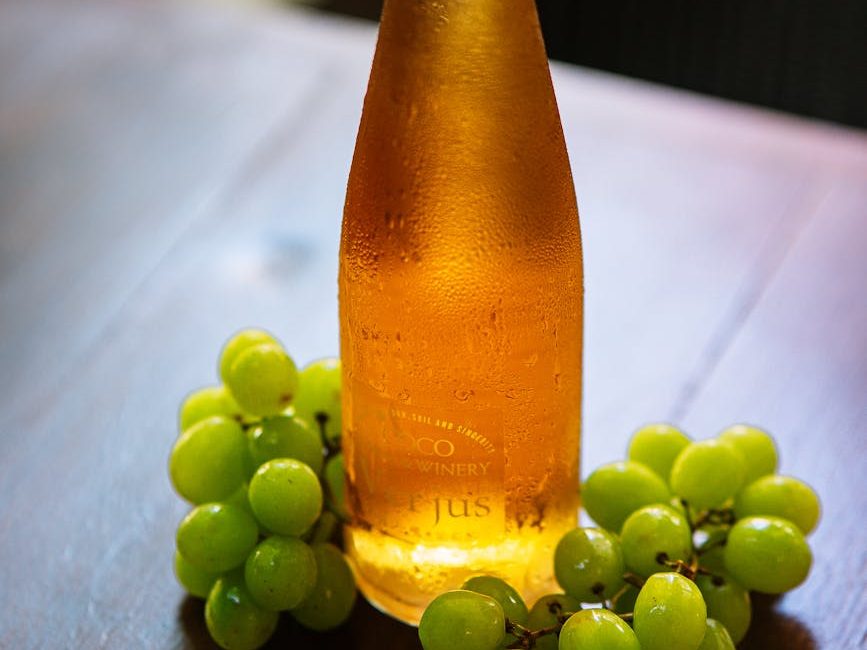
History and Roots of Orange Wine
Let’s take it back to Georgia—the birthplace of orange wine. Winemaking in this region stretches back over 8,000 years, with techniques that are still alive and well today. A key player in the process is the qvevri, a large clay vessel used for fermentation and aging. These clay pots are buried underground, which allows the wine to ferment slowly and pick up flavours and textures that is difficult to replicate in modern tanks.
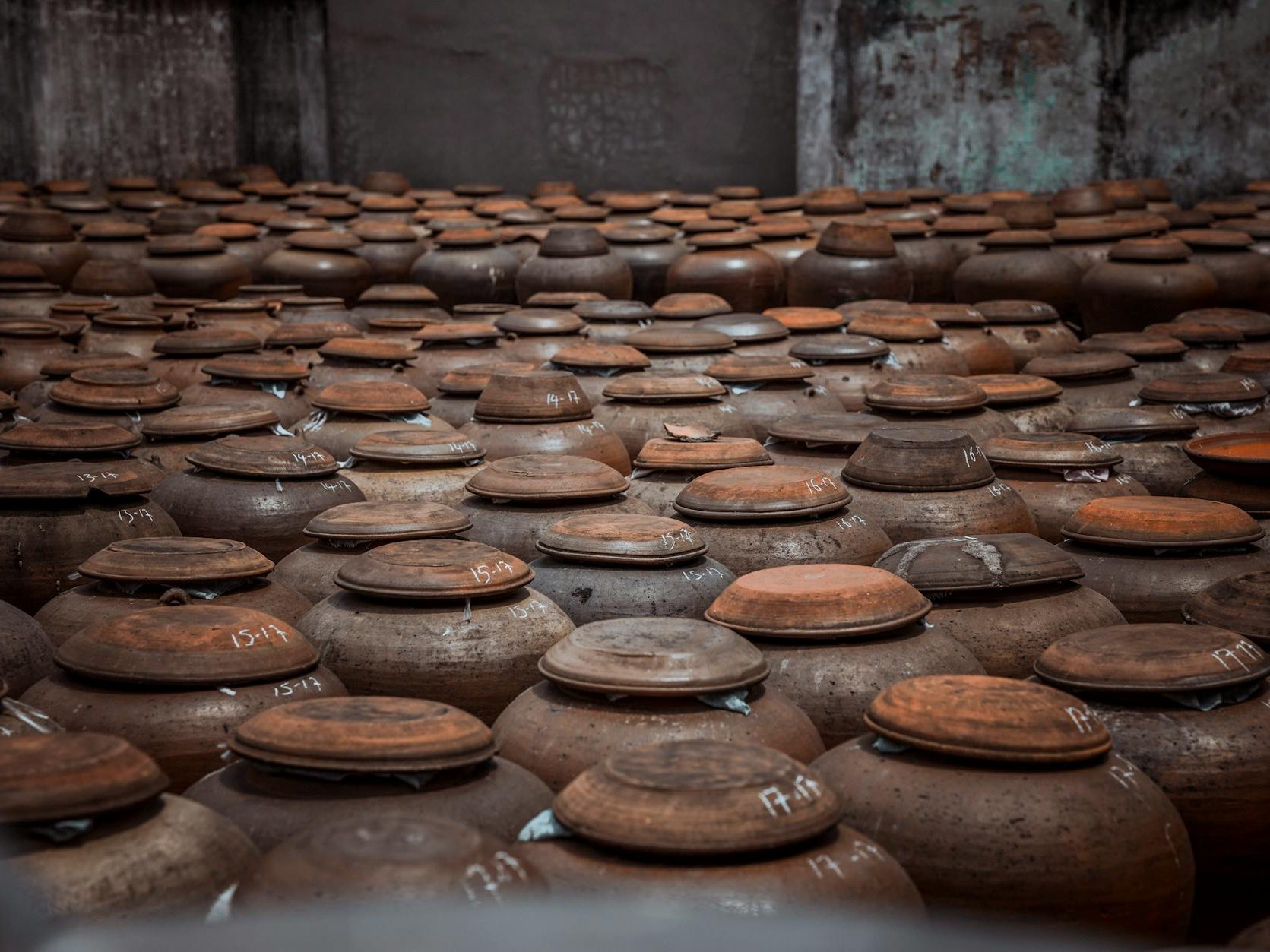
Ancient though it may be, orange wine is enjoying a well-deserved renaissance. What began in clay vessels buried beneath Georgian soil has now captured the imagination of winemakers from Italy to California. Some stay true to the old ways; others reinterpret them through the lens of their own climate, grape varieties, and creativity. It’s this mix of tradition and reinvention that’s fuelling orange wine’s modern moment.
Orange Wine Around the World: Regional Styles
Orange wine isn’t just from one place—it’s a global sensation, with each region putting its own twist on it. Let’s take a journey through some of the world’s most exciting orange wine regions.
- Georgia – The Original Home of Orange Wine
- Historical Significance: Georgia has been crafting wine for over 8,000 years, and it’s where orange wine truly began. The qvevri remains a cornerstone of their winemaking process.
- Wine Characteristics: Think earthy, robust flavors with that signature amber colour. Varieties like Rkatsiteli and Mtsvane are commonly used.
- Notable Producers: Pheasant’s Tears and Schuchmann Wines are well-known for their traditional and innovative approaches to orange wine.
- Italy – A Blend of Tradition and Innovation
- Regions to Focus On: Friuli-Venezia Giulia, Sicily, and Tuscany are leading the charge.
- Wine Characteristics: Expect wines with bright acidity, a slightly tannic structure, and flavours of dried fruit, herbs, and spice. Italy’s version of orange wine tends to have a more mineral and citrus-driven profile.
- Notable Producers: Radikon and Gravner are pioneers in skin-contact wines in Italy, known for their bold, transformative styles.
- Croatia – Ancient Roots, Modern Innovations
- Tradition Meets Innovation: Croatia’s coastal region of Istria is becoming well-known for its orange wines, especially from the Malvasia grape.
- Wine Characteristics: These wines have a salty, mineral edge, reflecting the coastal terroir, with aromas of citrus, herbs, and sometimes a hint of sea breeze.
- Notable Producers: Kabola and Benvenuti are notable producers, known for their organic and traditional winemaking methods.
- Slovenia – A Hidden Gem for Natural Wines
- Geography & Terroir: The Vipava Valley and Brda regions are the heart of Slovenia’s orange wine production. Their wines are influenced by both Italian and Croatian traditions.
- Wine Characteristics: Slovenian orange wines are fresh, vibrant, and often feature a pronounced minerality with floral and citrus notes.
- Notable Producers: Movia and Klinec are leaders in organic and biodynamic winemaking in Slovenia.
- New World – California and New Zealand Join the Orange Revolution
- California: The state’s warm climate results in ripe, tropical fruit flavors. Look for wines with more lush fruit character and that tannic orange wine structure.
- Notable Producers: Donkey & Goat and Frey Vineyards are leaders in California’s natural wine scene.
- New Zealand: Known for its cool climate and innovation in winemaking, New Zealand is carving out a space for orange wine. Regions like Marlborough and Central Otago are experimenting with skin-contact whites that retain bright acidity and a fresh, herbal lift.
Notable Producers: Kindeli and The Hermit Ram are pushing boundaries with expressive, small-batch orange wines that highlight purity and place.
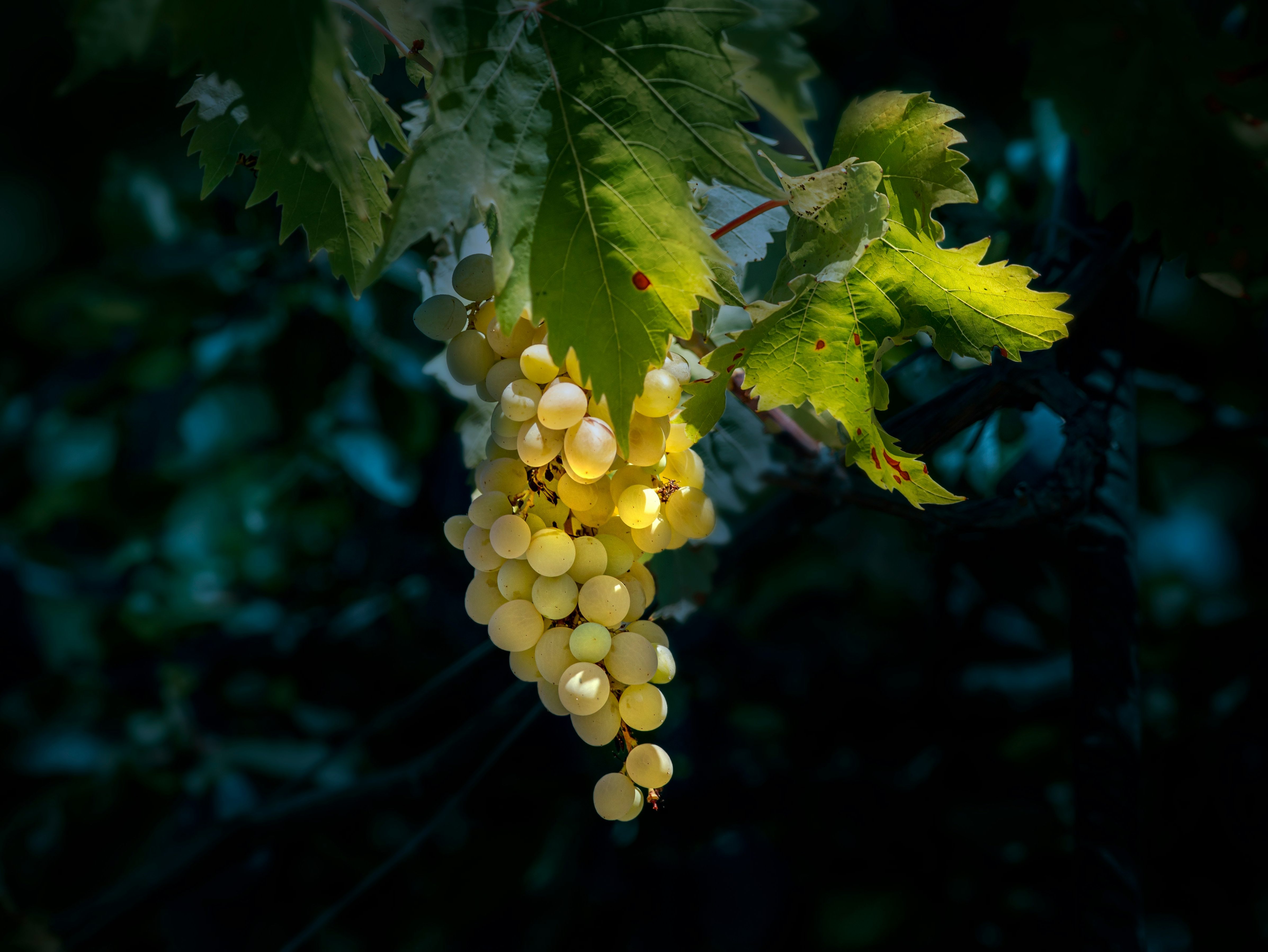
Tasting Notes and Flavour Profile
Orange wine’s unique process creates a flavour profile that lies somewhere between white and red wines, offering a balance of freshness and body. Here’s what to expect when you pop open a bottle:
- Colour: Ranges from golden to amber, or even a reddish-orange hue, depending on the length of skin contact.
- Tannins: With skin contact, orange wines often have a more textured mouthfeel, much like red wines.
- Acidity: While generally lower than white wines, orange wines still retain a lively acidity that makes them refreshing.
- Fruit Notes: Expect a mix of citrus (lemon, grapefruit), stone fruits (peach, apricot), and sometimes exotic fruits like lychee or persimmon.
- Savoury Notes: Depending on the style, you might find notes of nuts, herbs, and even a hint of minerality.
- Body: Orange wines can range from light and crisp to rich and full-bodied, with the style often depending on the grape variety and the winemaker’s approach.
These general characteristics give you an idea of what makes orange wine so intriguing. The real fun comes from exploring how different regions and winemakers put their spin on the style!
Food Pairings
Orange wine’s unique flavour profile makes it an excellent match for a variety of foods. Its balance of tannins and acidity allows it to pair well with dishes that might otherwise be tricky for white or red wines. Here are a few ideas:
- Eastern Mediterranean and Middle Eastern Cuisine: The herbs, spices, and grains in dishes like tabbouleh, falafel, or roasted lamb make a fantastic pairing with the rich and herbal notes in orange wine.
- Pork and Meaty Dishes: The tannins in orange wine can stand up to the richness of pork, especially when it’s roasted or grilled. Think sausages, charcuterie, or even braised pork belly.
- Roasted Vegetables: The earthy, savoury notes of orange wines are a natural match for roasted root vegetables like carrots, sweet potatoes, or beets.
- Cheese: Saltier, more mature cheeses like aged feta, manchego, or even blue cheese can complement the wine’s structure and depth. Don’t forget hard cheeses like Parmesan or Pecorino—perfect for pairing with orange wine.
Orange wine’s versatility makes it a great choice to experiment with different flavor combinations, so don’t be afraid to get creative!

Final Sip
More than just a trend, orange wine is a fascinating and ancient style that’s finding its way into glasses again. From its roots in Georgia, to the innovative producers in the New World, orange wine offers something for every palate. Whether you’re drawn to its bold tannins, complex aromas, or the thrill of natural winemaking, there’s no doubt that this amber beauty is here to stay.
So, the next time you’re on the hunt for something new, reach for an orange wine. Let it surprise you, and enjoy the flavours, history and traditions in every sip! Have a favourite orange wine producer? Let me know in the comments!
Discover more from The Curious Cork
Subscribe to get the latest posts sent to your email.
 The Curious Cork