
The Season of Rosé is here
With the return of golden evenings and sun-warmed afternoons, it can only mean one thing: rosé season is here. No longer just a summer fling, rosé has earned its place as a year-round pour—but it truly comes into its own in warm weather. Crisp, refreshing, and endlessly versatile, it’s the ideal companion for spring picnics, lazy lunches, or sunset sipping with friends.
But rosé isn’t one-size-fits-all. From bone-dry and elegant to juicy and off-dry, this pink-hued wine spans a broad flavour spectrum. While Provence still dominates the market, savvy drinkers are exploring delicious (and often more affordable) alternatives – particularly those from the Languedoc.
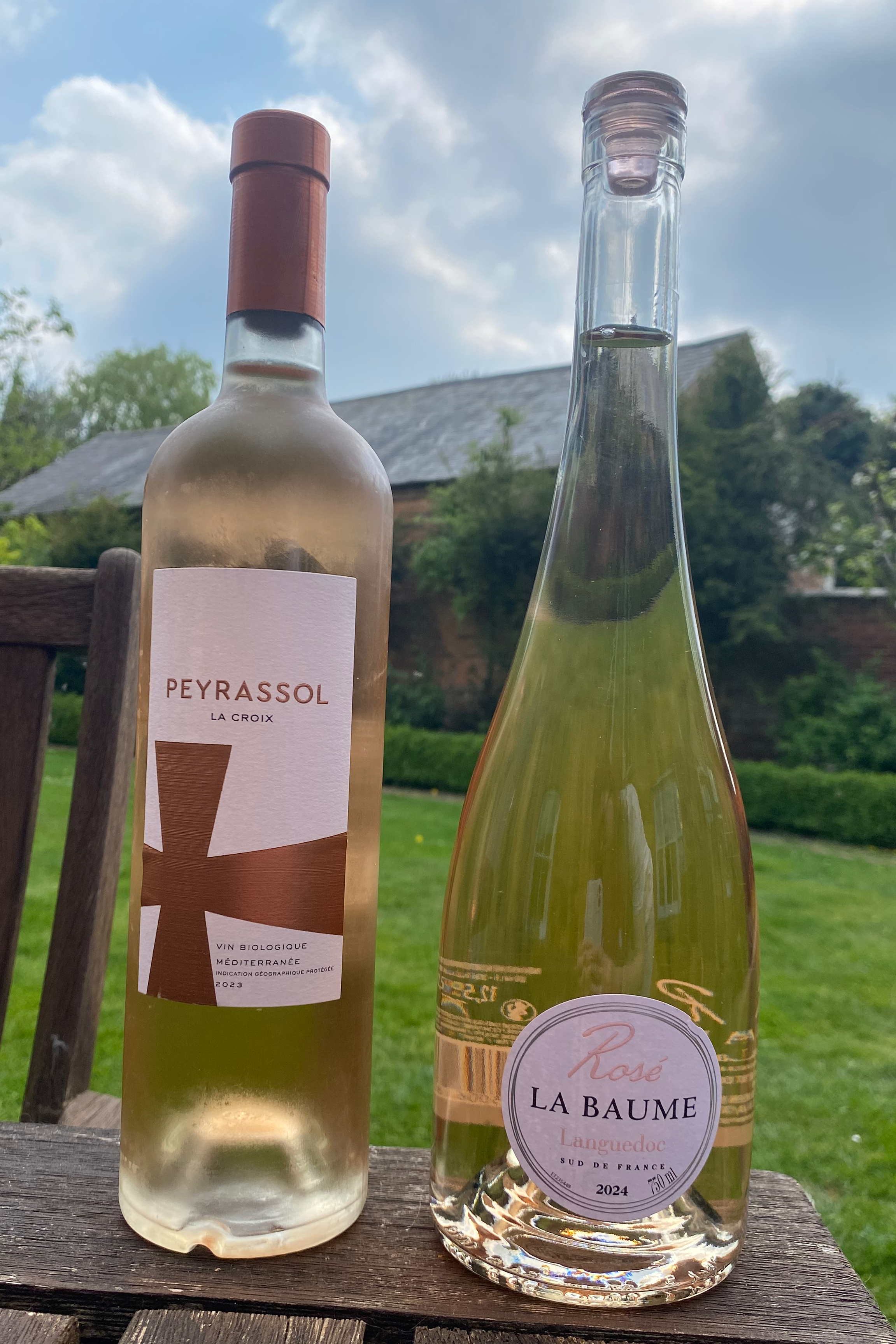
I recently tried a bottle of La Baume Rosé (£12 from Ocado), and if I’d tasted it blind, I’d be hard-pressed to say it came from Languedoc and not Provence. Wild strawberries, peaches and a hint of citrus, it’s that good.
So—what’s your style?
How Rosé Is Made: Quick Colour, Big Impact
Rosé gets its delicate hue from red grape skins—but only briefly. Most rosé wines are made by limiting skin contact during fermentation, from just a couple of hours to a full day. The longer the juice spends with the skins, the deeper the colour and the more structured the wine becomes.
There are three main ways winemakers create that signature pink:
- Direct Pressing – Red grapes are pressed gently with very minimal skin contact. This method produces pale, fresh, and elegant styles—think classic Provence.
- Saignée (“bleeding”) – Juice is “bled off” early from a red wine fermentation. This creates deeper-coloured, more concentrated rosés with bolder fruit and body.
- Blending – A small amount of red wine is added to white wine. While it’s not common in still wines (and often frowned upon in the EU), it is standard practice in rosé Champagne.

What the Colour Doesn’t Tell You
It’s tempting to judge rosé by the colour—but deeper doesn’t mean sweeter. A pale blush might be bone-dry or off-dry, depending on how it’s made. Always check the label (or ABV) for clues: lower alcohol can sometimes indicate a touch of residual sugar.
Dry Rosé: Provence… and Beyond
Provence rosé is still the gold standard—pale, dry, and delicately laced with wild strawberry, white peach, citrus, and Provençal herbs. It’s effortlessly chic and practically made for sunny days.
But here’s the shift: producers in Languedoc-Roussillon are now crafting rosés in a similar style, often using the same grapes (Grenache, Cinsault, Syrah), but offering better value. These wines mirror the pale colour and refreshing profile of Provence, but with more fruit, texture, and accessibility.
Other dry rosé styles worth exploring:
- Tavel (Rhône) – Fuller-bodied and deeper in colour, with ripe red berries, spice, and structure. Often age-worthy.
- Spanish Rosado (e.g. Navarra) – Bright, bold, and savoury—perfect with tapas or barbecued meats.
Pair with: grilled vegetables, herby salads, seafood, or a classic Niçoise.
Off-Dry to Sweet: Rosé’s Fruitier Side
Not all rosé is dry—and that’s no bad thing. Off-dry and sweet styles bring ripe fruit flavours, softer acidity, and a fun, easygoing charm. These are wines for relaxed moments, not wine exams.
Some styles to sip:
- White Zinfandel (California) – Light, sweet, and a classic gateway into the world of wine.
- Rosé d’Anjou (Loire) – Usually made from Grolleau or Cabernet Franc, with just enough sweetness to balance its red berry charm.
- Pinot Grigio Blush (Italy/Romania) – Pale, crisp, and just a touch fruity. Think red berries and citrus, with a dry or gently off-dry finish. A casual crowd-pleaser, especially chilled on a sunny afternoon.
- Moscato Rosé or Brachetto d’Acqui (Italy) – Lightly sparkling, floral, and deliciously aromatic. Ideal with fruit desserts—or solo as a sweet treat.
Pair with: spicy food, berry-based desserts, or simply chill and enjoy as a picnic sipper.

Rosé Decoder: How to Read the Label Like a Pro
📏 ABV (Alcohol by Volume)
• Under 11% → Off-dry or sweet
• 11–13% → Dry and fresh
• 13%+ → Richer or more structured
🔍 Style Clues on Label
• “Dry”, “Crisp”, “Brut” → Low sugar
• “Off-dry”, “Fruity” → Some sweetness
🌍 Region Highlights
• Provence, Languedoc → Mostly dry
• Navarra → Juicy, savoury
• Anjou, California → Often sweeter
• Italy/Romania → Pinot Grigio Blush (off-dry)
🍇 Grape Clues
• Grenache, Syrah, Tempranillo → Dry
• Zinfandel, Grolleau, Moscato → Sweeter styles
Pop the Pink: Sparkling Rosé
From blush Champagne to English fizz, sparkling rosé brings instant celebration to any glass. Styles range from crisp and citrusy to creamy and red-fruited—and they’re fantastic with food.
Bubbles to try:
- Rosé Champagne – Structured, elegant, and often surprisingly complex.
- Cava Rosado – Excellent value with vibrant red fruit and refreshing acidity.
- English Sparkling Rosé – Zesty, refined, and a rising star in the world of fizz.
Pair with: oysters, sushi, fried chicken—or go classic with strawberries and cream.

Final Sip: Pick Your Pink
Best Supermarket Rosé Picks for This Season
Now that you’ve learned about the different styles of rosé, you might be wondering which bottles to pick up for your next gathering or picnic. Fortunately, you don’t have to break the bank to enjoy a delicious glass of rosé. Here are some fantastic options that are widely available in UK supermarkets, offering excellent value without compromising on quality:
- Tesco Finest Provence Rosé – A classic, dry rosé with delicate strawberry and citrus notes, perfect for a sunny afternoon. (£10)
- Sainsbury’s Côtes De Provence Rosé – An elegant and crisp rosé that captures the essence of Provence, ideal for pairing with light seafood or fresh salads. (£9.75)
- Waitrose Champteloup Rosé d’Anjou – A slightly sweeter rosé with vibrant red fruit flavours, great for those who enjoy a more fruit-forward profile. (£7.99)
- Sainsbury’s Madame F Rosé – A refreshing and approachable rosé, perfect for casual sipping and food pairings. (£9.50)
- Tesco Gérard Bertrand ‘Côte des Roses’ Rosé – A refined rosé with floral and berry notes, bringing the taste of Languedoc to your glass. (£11.50)
- Asda Mare Meua Pinot Noir Rosé – A light and fruity rosé from Spain that offers excellent value for money. (£5.52)
- Morrisons I Heart Rosé – A crisp and slightly fruity option that’s budget-friendly and perfect for a casual day out. (£6.25)
These options cover a range of styles, from classic dry Provence rosé to fruitier, more affordable alternatives, ensuring there’s something for everyone. Whether you’re entertaining guests or enjoying a quiet afternoon, these bottles will elevate any occasion.
Final Sip: Pick your Pink
Rosé isn’t just a drink—it’s a whole category, bursting with styles and personalities. Whether you’re sipping a Provençal classic, a bold Spanish Rosado, or uncovering an underrated gem from the Languedoc, there’s never been a better time to explore what pink can do.
The sun’s out—so what’s in your glass? Drop your favourite rosé in the comments below. I’d love to know what you’re drinking.
Discover more from The Curious Cork
Subscribe to get the latest posts sent to your email.
 The Curious Cork