Often when we think about wine, it’s the timeless prestige of Burgundy’s limestone hills, or the grand châteaux of Bordeaux that springs to mind. Steeped in tradition, these historic regions have shaped our understanding of what great wine can be. Yet today’s shelves and wine lists are just as likely to showcase the vibrant, sun-drenched styles of California, the wild, coastal freshness of South Africa, or the pure, zesty expressions of New Zealand.
As global wine markets evolve, understanding the differences between Old World and New World wines has become essential – not just for wine professionals, but for anyone curious about the stories behind the glass. In this post, we’ll explore the key stylistic distinctions, how shifting tastes are influencing buying decisions, and why understanding both styles is key to building a dynamic, forward-looking wine portfolio.

What do “Old World” and “New World” actually mean?
At its simplest, ‘Old World’ refers to wines from Europe and the Mediterranean basin — the birthplace of many of the grape varieties and winemaking techniques we know today. France, Spain, and Italy are the pillars, but the Old World also includes countries like England, Greece, and Georgia, where viticulture has flourished for thousands of years.
In contrast, “New World” covers regions outside Europe, such as Australia, New Zealand, South Africa, the United States, Chile, and Argentina. Here, winemaking traditions were introduced through exploration and settlement, giving rise to styles shaped more by innovation than centuries-old custom.
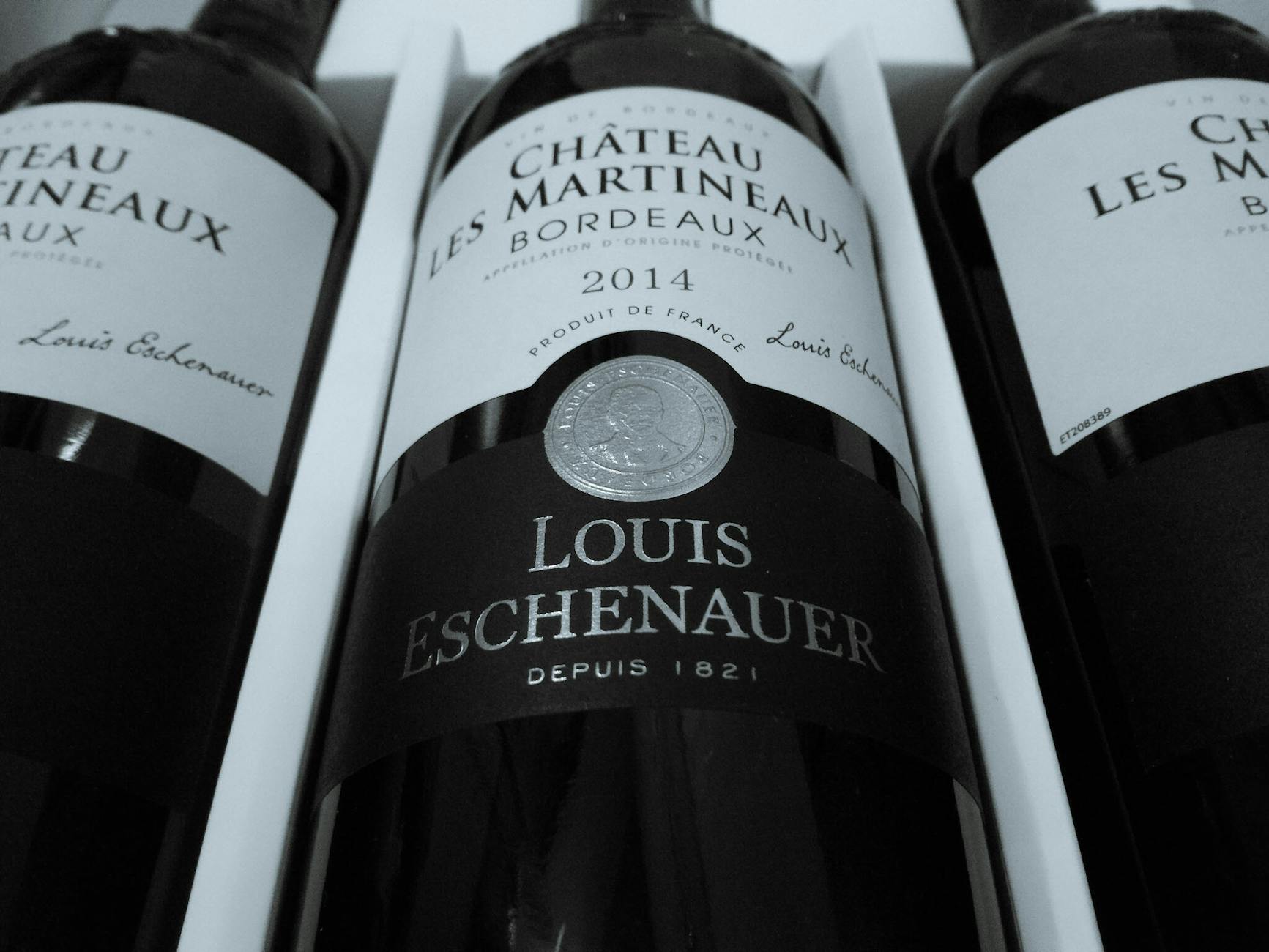

Here’s a snapshot of how Old World and New World wines typically compare:
| Old World Wines | New World Wines |
|---|---|
| Rooted in tradition and history | Influenced by experimentation and innovation |
| Countries: France, Italy, Spain, Germany, Greece, England, Portugal, Austria, England | Countries: USA, Argentina, Chile, Australia, New Zealand, South Africa |
| Focus on terroir (soil, climate, tradition) | Focus on varietal character and winemaker style |
| Lighter body, higher acidity, lower alcohol | Fuller body, lower acidity, higher alcohol |
| Subtle use of oak and restrained fruit flavours | More pronounced oak use and bolder fruit flavours |
| Labelling often by region (e.g., Bordeaux, Rioja) | Labelling often by grape variety (e.g., Cabernet Sauvignon, Shiraz) |
To bring these distinctions to life, here are a few classic examples:
- Old World: A Domaine de la Vougeraie Bourgogne Pinot Noir — elegant, earthy, and expressive of place. Or a CVNE Rioja Crianza, with its subtle oak and savoury red fruit.
- New World: A Cloudy Bay Sauvignon Blanc from Marlborough, bursting with zesty tropical notes. Or a bold, structured Ridge Vineyards Zinfandel from California.
Why does this distinction matter today?
While the traditional differences between Old World and New World wines still provide a useful framework, the reality is that today’s wine world is far more interconnected and dynamic than ever before.
Understanding these differences — and how they influence current buying decisions — is crucial for anyone seeking to build a portfolio that resonates with modern drinkers.
Key Trends Shaping Wine Buying Today
1. New World styles are driving accessibility and freshness.
Fruit-forward, easy-drinking wines are winning over a new generation of wine lovers. Marlborough Sauvignon Blanc with its vibrant citrus snap, or California’s rich, jammy Zinfandel warmth, offer immediate appeal without needing in-depth regional knowledge. For wine buyers, these approachable New World styles are essential for broadening ranges and inviting new audiences into the world of wine.
2. Old World prestige still commands loyalty — especially in fine wine.
While the New World is booming, the classic prestige of Bordeaux, Burgundy, Champagne, and Rioja still holds powerful sway — especially at the higher end of the market. Yet value and discovery are becoming just as important. Buyers are increasingly looking to regions like the Loire Valley, Sicily, or even lesser-known parts of Eastern Europe, offering the craftsmanship of the Old World without the sky-high prices.
3. Sustainability and origin storytelling are influencing choices across both worlds.
Today’s wine consumers are not just asking what they’re drinking — they want to know how it was made and who made it. Organic, biodynamic, and low-intervention wines — along with authentic stories of tradition, innovation, and environmental care — are becoming major selling points. For buyers and consumers alike, a wine’s story can be as compelling as its taste.
- Old World: Producers like Domaine Jean-Paul & Benoît Droin in Burgundy are pioneering sustainable practices by using organic methods to nurture their vineyards and produce wines that reflect the purity of their terroir. This balance of tradition and sustainability is a hallmark of Old World winemaking.
- New World: In New Zealand, Felton Road is a leader in biodynamic farming, crafting wines with minimal intervention and a deep respect for the land. Their sustainable practices have helped position them as one of the most eco-conscious wineries in the New World.
- Chile’s Emiliana, one of the largest organic wine producers globally, exemplifies New World dedication to biodynamic farming, focusing on soil health and sustainability alongside innovation.

Final Sip: Tradition or Innovation?
Old World and New World wines each bring their own magic to the table — tradition, innovation, terroir, and bold expression. For wine lovers, collectors, and buyers alike, the real opportunity lies in embracing both styles and understanding how evolving trends, such as sustainability, are reshaping the wine landscape from vineyard to glass. Whether it’s the quiet elegance of a classic Burgundy, the sun-bright vibrancy of a Marlborough Sauvignon Blanc, or the earthy soulfulness of a sustainably farmed South African Chenin Blanc, today’s wine world offers endless possibilities.
In my next post, I’ll explore another evolving style: rosé wines — from pale Provençal expressions to bolder, drier styles — and how to find the one that suits your taste. I’d love to hear your favourites — are you team Old World or New World?

Discover more from The Curious Cork
Subscribe to get the latest posts sent to your email.
 The Curious Cork
Pingback: Corks vs. Screw Caps: Which is Better for Wine? | The Curious Cork