🌿 Sip Responsibly This Earth Day!
Happy Earth Day! Not just a call to plant more trees, Earth Day is about making thoughtful choices everyday. For wine lovers, this means thinking beyond the grape. But with terms like organic, biodynamic and carbon neutral floating around, choosing a sustainable wine can sometimes be overwhelming. So what should you look for on the label – and what’s going on behind the scenes of eco-friendly wines?
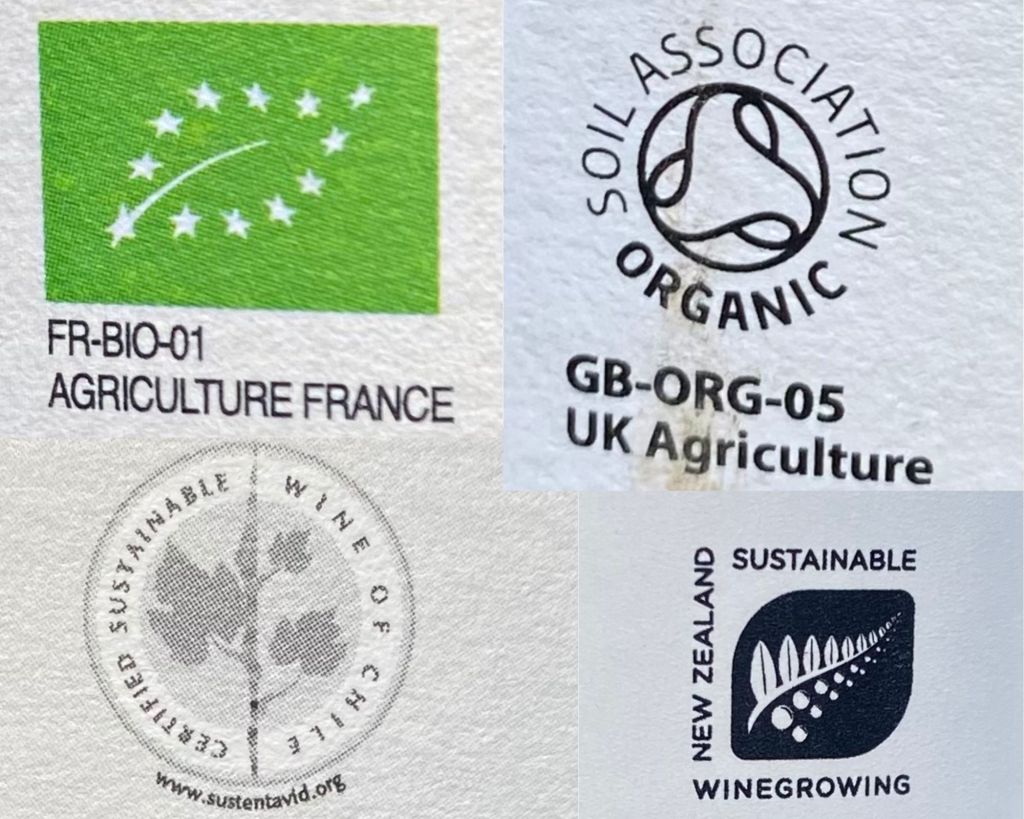
🏷️ 1. Decoding the Label: Certifications That Matter
Here are some trusted sustainability certifications to keep an eye out for:
- Organic
- EU Organic (green leaf symbol)
- USDA Organic (USA)
- Soil Association (UK)
- Biodynamic
- Demeter
- Biodyvin
- Sustainable
- SIP Certified (California)
- Sustainable Winegrowing NZ
- Wines of Chile Sustainability Code
- Other indicators
- Carbon Neutral or B Corp Certified (especially growing in New World wineries)
💡 Tip: If you see terms like “natural” or “low intervention”, do a quick search online – some are marketing tools, others are meaningful but unregulated.
🌱 2. Beyond the Buzzwords: What Sustainable Winemaking Looks Like
Sustainability isn’t just about skipping chemicals – it’s about nurturing the vineyard’s surrounding ecosystems. Look out for producers embracing:
- Cover crops for soil health and natural pest control
- Dry farming to conserve water
- Organic composts over synthetic fertilisers
- Renewable energy like solar or wind
- Minimal packaging and lightweight bottles to reduce transport emissions
🌍 Featured producer: Exton Park Vineyard (Hampshire, UK)
Exton Park uses local sheep to graze between the vine rows—controlling grass and cover crops while naturally fertilising the soil. This cuts down on tractor use and eliminates the need for chemical herbicides. A perfect example of sustainability with a local twist.

🍾 3. Think Outside the Bottle: Packaging & the Planet
Packaging makes a bigger impact than you might think:
- Glass weight: Lighter bottles = lower carbon footprint in transport emissions.
- Alternative formats: Bag-in-box, cans, and Tetra Pak are gaining traction, especially for casual sips.
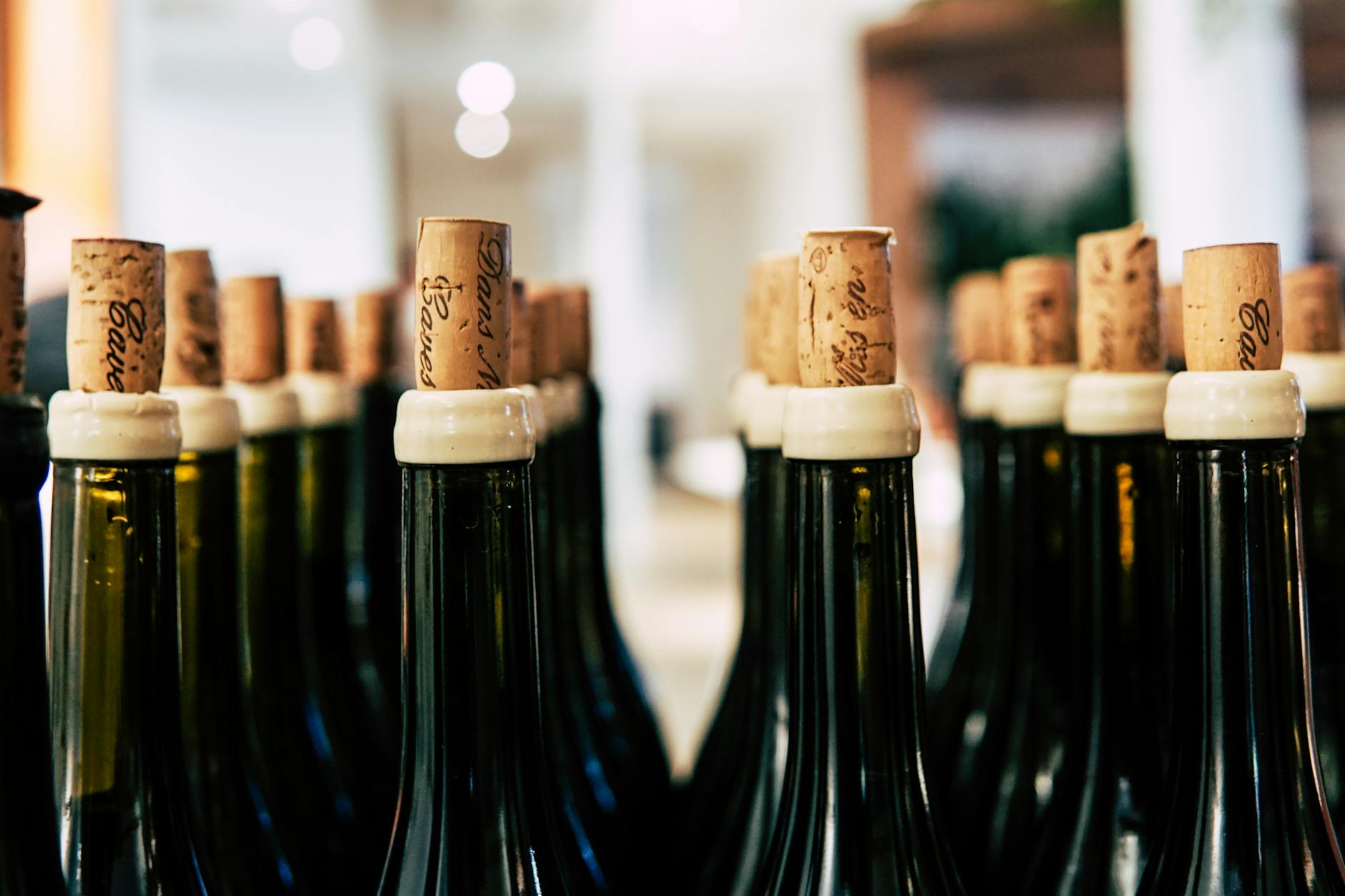
- Corks vs. Screwcaps: Natural cork is renewable, biodegradable and recyclable, and supports vital ecosystems.
🧠 Did you know? Cork oak forests store up to 14 million tons of CO₂ each year and are home to endangered species like the Iberian lynx.
✨ 4. Small Swaps, Big Impact
All this being said, you don’t have to overhaul your entire wine collection overnight. Start with one or two small shifts:
- Choose a certified organic or sustainable bottle for your Earth Day toast
- Support producers who openly share their sustainability practices
- Explore wine regions leading the way in green innovation—like Sicily, Oregon, or the Languedoc
🌎 Final Sip: A More Mindful Glass
Sustainable wine is about more than what’s in your glass—it’s about how that glass got filled. Whether you’re raising a toast to the planet with a biodynamic Pinot Noir, or simply picking a bottle topped with natural cork, every small choice makes a difference.
How are you honouring Earth Day with your wine choices? Drop a comment—I’d love to hear what’s in your glass. 🍷🌍

Discover more from The Curious Cork
Subscribe to get the latest posts sent to your email.
 The Curious Cork