In my previous posts about Chenin Blanc, bud break, and spring wine choices, I’ve mentioned terroir quite a few times. But what does it really mean—and why do wine lovers talk about it so much?
What Makes a Place a Taste?
Terroir is a French term used to describe the environmental factors that affect a crop’s growth and character. Roughly translating to “a sense of place,” it’s usually broken down into four main components:
- Soil
- Climate
- Topography
- Human influence/tradition
It’s not just about soil and sunshine—human hands shape terroir too. From grape selection to pruning techniques and local winemaking customs, tradition weaves itself into the final glass. Think of Champagne’s centuries-old blending practices, or how Chianti’s strict DOCG rules have defined the region’s identity for generations. These cultural choices are passed down through generations, layering history into every bottle and turning place into heritage.
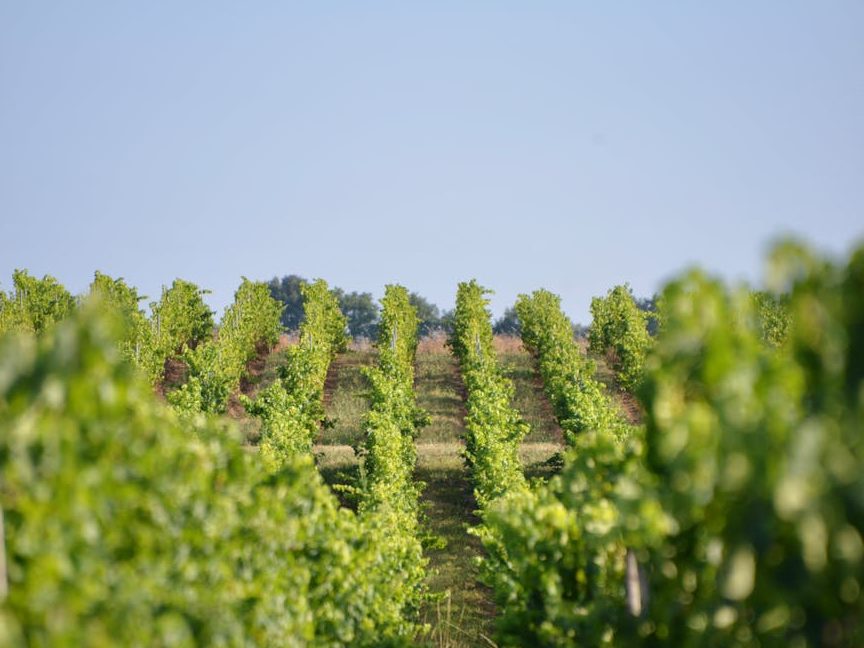
Tasting the Landscape: Terroir in Action
Take Pinot Noir from Burgundy (e.g., Côte de Nuits): grown on ancient limestone soils in a cool continental climate with varied slopes and exposures. The result? Wines that are lighter-bodied, with high acidity, red fruit flavours, earthy tones, and a strong sense of place—even between neighbouring villages.
Now compare that to Pinot Noir from Oregon (e.g., Willamette Valley): here, volcanic and sedimentary soils meet a cooler but more humid, Pacific-influenced climate. These wines are still elegant, but often display riper fruit flavours, floral aromatics, and slightly softer acidity.
Or look to Mount Etna in Sicily, where grapes like Nerello Mascalese are grown on volcanic soils at steep altitudes with dramatic diurnal shifts (temperature swings between day and night). These conditions yield wines that are pale in colour but intensely aromatic, with smoky, salty, and herbal notes alongside vibrant acidity. You can quite literally taste the volcano!
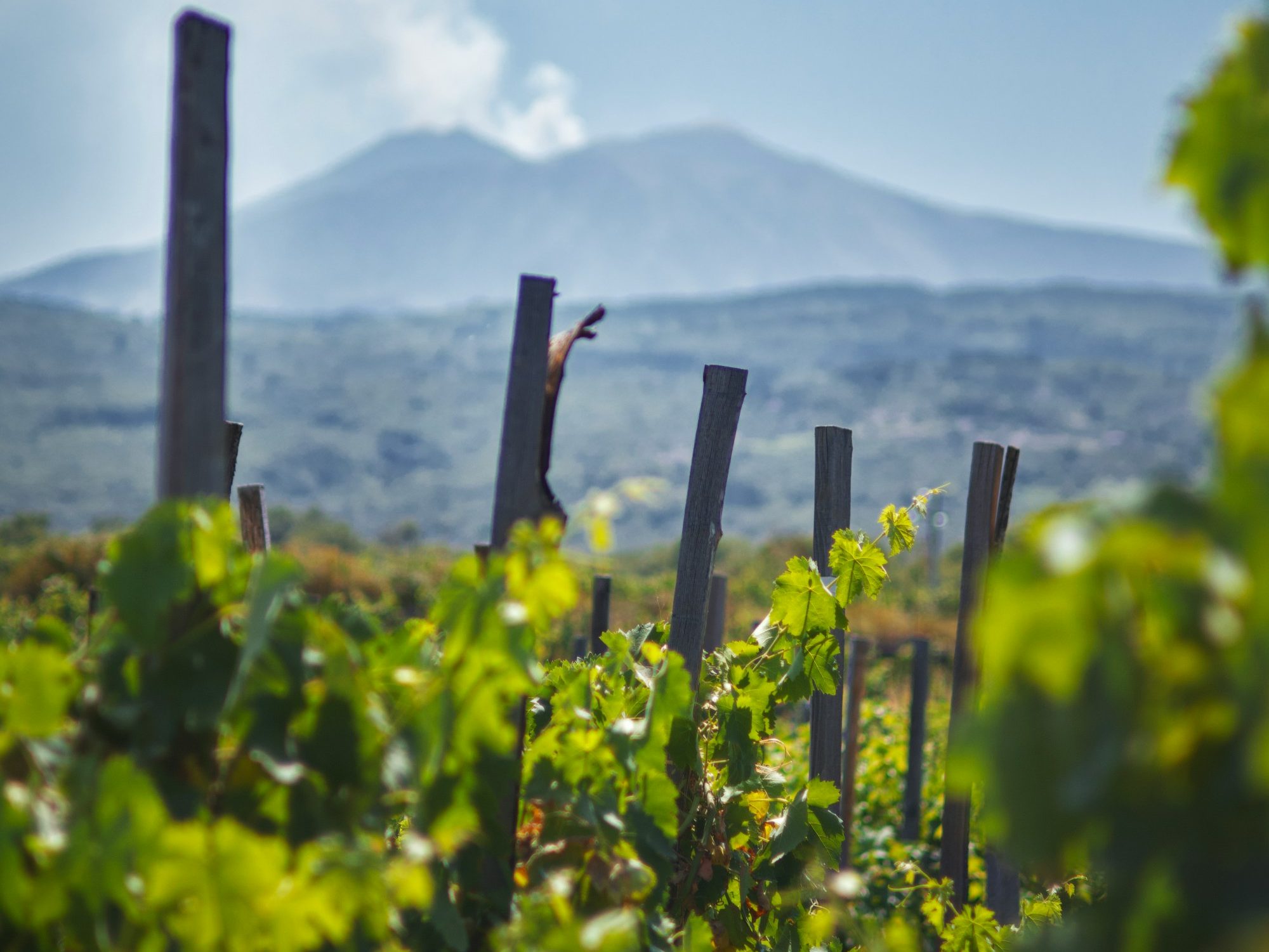
How Terroir Shapes What’s in Your Glass
As we can see, terroir influences a wine’s character. It shapes its flavours and aromas, adding complexity and depth to both scent and taste.
- Soil types can influence minerality. Clay retains water and can lead to rounder wines with softer acidity, while limestone is linked to fresher acidity and that classic mineral tension.
- Climate impacts sugar and acid levels. Warmer regions produce bolder, fruitier wines with lower acidity; cooler regions yield lighter wines with higher acidity and greater aromatic nuance.
- Topography—such as slopes, altitude, and aspect—affects sunlight exposure and grape development. Higher altitude vineyards benefit from cooler temperatures and more intense sunlight, preserving acidity and developing vibrant aromas. Steep slopes aid drainage and ripening. For instance, producers like Felton Road in Central Otago, New Zealand, rely on altitude and cool air to preserve freshness in their Pinot Noir despite warmer vintages.
- Human influence includes vineyard management, picking times, fermentation styles, and blending—all of which can either highlight or mute a wine’s sense of place.
Together, these factors give each wine its own identity, distinguishing it from region to region—even vineyard to vineyard.
Can Terroir Survive Climate Change?
Shifting climates are redefining terroir. Rising temperatures, changing weather patterns, and unpredictable extremes are altering when and how grapes ripen—ultimately transforming wine styles and expanding the map of quality winemaking.
Take Gusbourne Estate in England. Warmer growing seasons have turned parts of the UK into a hotspot for high-quality sparkling wines, with conditions now resembling Champagne a few decades ago.
Meanwhile, iconic producers like Domaine Jean-Marc Roulot in Burgundy have adapted by harvesting earlier to preserve acidity and freshness in their whites.
Producers like Miguel Torres in Spain are going even further—experimenting with drought-resistant grape varieties, such as Money and Gonfaus – two ancestral red varieties. They are also seeking higher-altitude sites, and introducing sustainable farming techniques to future-proof their wines.
On Mount Etna, Planeta Wines continue to embrace their dramatic volcanic terroir, while also exploring indigenous varieties better suited to the island’s evolving climate.
In Alsace, Domaine Barmès-Buecher are farming biodynamically and have adapted their practices—such as canopy management and cover cropping—to retain soil health, vine balance, and a clearer sense of place despite climate pressures.
These examples show that terroir today is not just about tradition—it’s also about innovation and stewardship.
Is It All Just a Story? The Terroir Debate
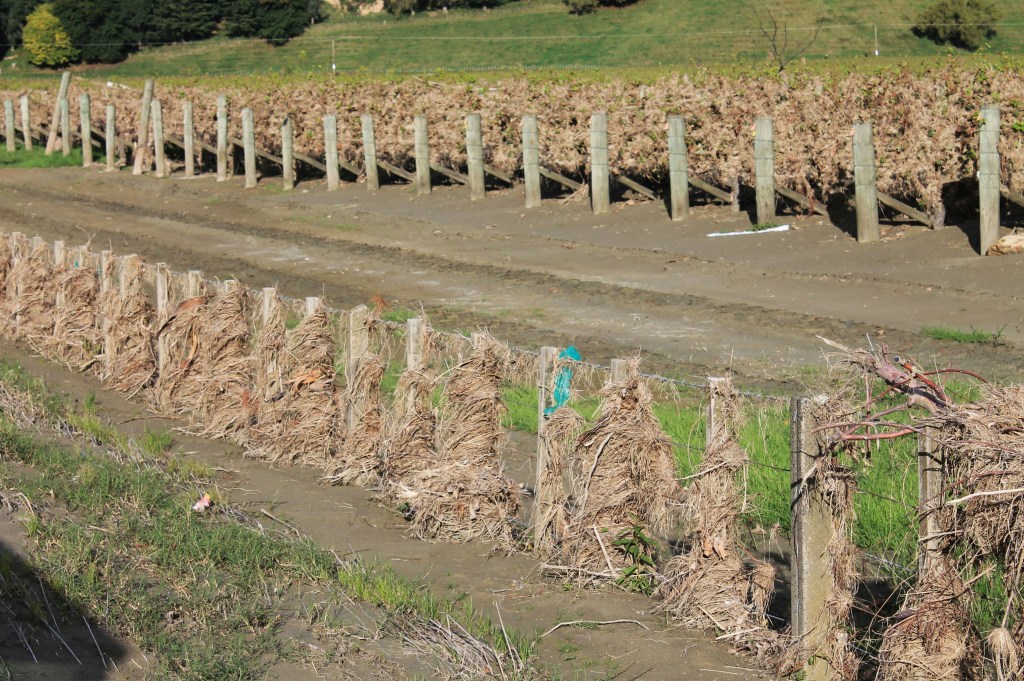
There’s still some scepticism around just how much terroir truly influences a wine. It’s a complex web of interacting elements, and isolating the specific contribution of each one can be tricky.
Human intervention—such as winemaking decisions, blending, or large-scale production—can sometimes override or mask terroir’s more subtle nuances. In Bordeaux, for instance, wines are often blends from multiple vineyard sites, making it harder to pinpoint the character of a single place. In high-volume regions like South-West Australia, it’s difficult to trace grapes back to specific micro-terroirs—diluting that unique sense of place.
Some critics argue that terroir can be romanticised as a marketing tool, while others believe that in the hands of skilled producers, it remains an essential expression of authenticity. Ultimately, the balance between nature and nurture lies at the heart of the debate.
Final Sip: Can You Taste the Place?
Next time you pour a glass, check where it was grown and do a quick search on the region. Can you taste its climate, its soils, or its slopes? Or does it feel like more of a winemaker’s expression?
Let me know in the comments—I’d love to hear what you’re tasting and discovering!

Discover more from The Curious Cork
Subscribe to get the latest posts sent to your email.
 The Curious Cork