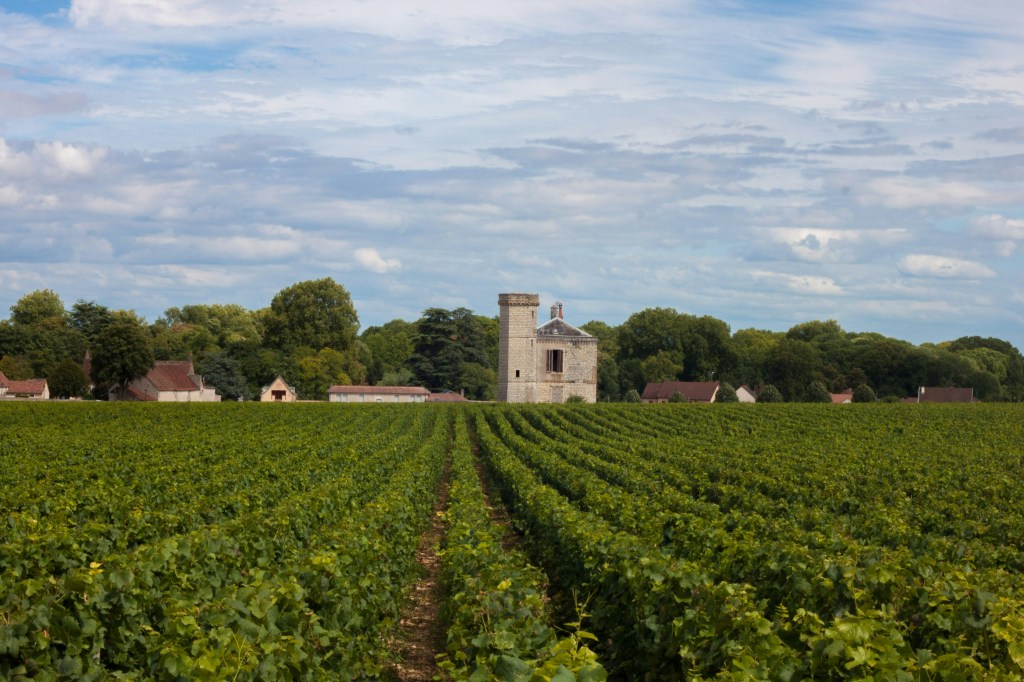
Known for its diversity of grape varieties, the Loire Valley is well-known among wine lovers. From crisp Sauvignon Blanc in Sancerre to the rich, full-bodied reds of Chinon, the region offers a wide array of flavours and styles. But in recent years, one grape variety has been quietly stealing the spotlight in this iconic French region: Chenin Blanc.
Historically, Sauvignon Blanc has been the grape of choice in the Loire Valley, especially in regions like Sancerre and Pouilly-Fumé. But now, many winemakers are starting to plant more Chenin Blanc, a grape that was once more common in regions like Vouvray and Anjou. Why is this shift happening, and what makes Chenin Blanc such a compelling choice for producers? Let’s explore this rising star of the Loire Valley.
The Charm of Chenin Blanc
An incredibly versatile grape, Chenin Blanc has been grown in the Loire Valley for centuries, particularly in the regions of Vouvray, Savennières, and Anjou. It produces wines in a range of styles, from dry and crisp to sweet and luscious, depending on winemaking techniques and the climate. Its natural high acidity and ability to retain freshness makes it well-suited for a variety of growing conditions.
One of the key reasons for the resurgence of Chenin Blanc is its ability to thrive in a variety of soils and climates. Unlike Sauvignon Blanc, which tends to flourish in cooler, more specific terroirs, Chenin Blanc has a remarkable adaptability. It can handle a variety of soil types, such as limestone, sand, and clay, and is resistant to mildew, making it a more reliable choice for winemakers in changing climates.
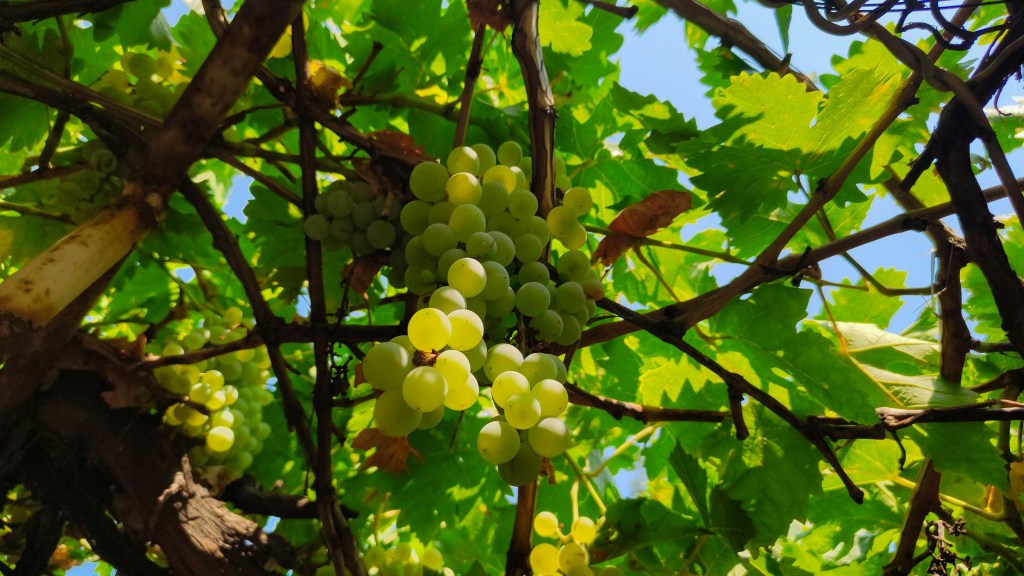
Chenin Blanc vs. Sauvignon Blanc: Why the Shift?
For years, Sauvignon Blanc was the grape variety that defined the Loire Valley whites, especially in the cooler climates of Sancerre and Pouilly-Fumé. Its crisp acidity, herbaceous flavours, and citrus notes made it a favourite among wine lovers.
However, climate change has begun to alter the growing conditions in the Loire Valley. Warmer temperatures are affecting the traditional growing regions, forcing winemakers to rethink their grape choices. As a cool-climate grape, Sauvignon Blanc can struggle to retain its characteristic acidity and freshness, resulting in wines that lack the vibrant zing that made it famous.
Enter Chenin Blanc. Known for its ability to maintain high acidity even in warmer climates, Chenin Blanc is becoming a go-to grape for producers seeking a more resilient option. Its adaptability means it can thrive in a variety of conditions, and its ability to balance acidity with richness makes it ideal for creating wines that are both expressive and age-worthy.
What Makes Chenin Blanc Stand Out?
Chenin Blanc is a grape that wholly reflects the terroir in which it is grown. Here is what makes it so unique:
Versatility: Chenin Blanc produces a wide range of wine styles, from bone-dry to sweet and sparkling. Whether you prefer a fresh, zesty white or a rich, honeyed dessert wine, Chenin Blanc can deliver it all.
Acidity: With a naturally high acidity, Chenin Blanc has the ability to age well, developing complex flavours over time. This makes it a worthwhile choice for those who enjoy wines that evolve.
Complexity: Its flavour profile ranges from green apple, citrus and honey to tropical fruits, and even floral and nutty notes once aged. It’s a layered, complex grape that always surprises.
Ageability: The best examples of Chenin Blanc can age beautifully, developing richer flavours and a more integrated texture over time. Wines from top-tier producers in Vouvray and Savennières have been known to age elegantly over decades.
The Loire Valley’s Chenin Renaissance
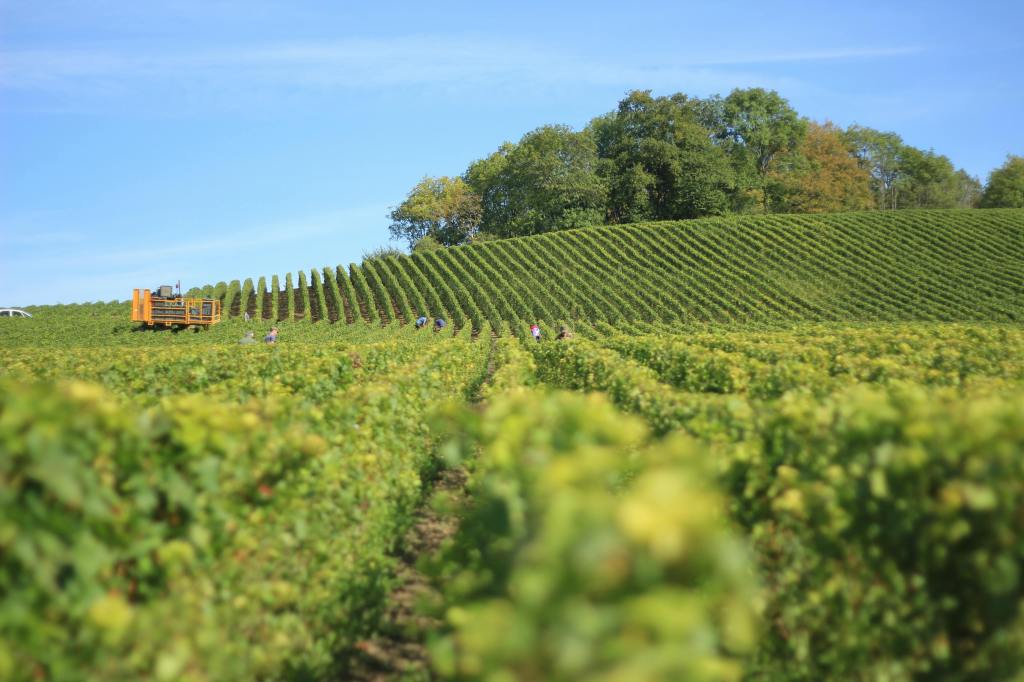
Chenin Blanc has long been a pillar of the Loire Valley, especially in historic appellations like Vouvray, Savennières, and Anjou. But over the last decade, winemakers have begun to refocus their efforts — not just maintaining tradition, but actively reimagining what Chenin Blanc can be.
Producers are investing in replanting older parcels, converting to organic or biodynamic viticulture, and dialing in their winemaking techniques to better express the grape’s potential. There’s a noticeable shift toward lower yields, minimal intervention, and terroir-driven wines.
Take Domaine Huet in Vouvray, a benchmark producer that has long championed biodynamic farming and creates age-worthy Chenin Blancs across the sweetness spectrum. Or Thierry Germain of Domaine des Roches Neuves in Saumur, whose precision and purity have brought fresh energy to the region’s dry Chenin styles.
In Savennières, Nicolas Joly of Coulée de Serrant has been an outspoken advocate of biodynamics and terroir expression, while producers like Damien Laureau are gaining attention for elegant, mineral-rich bottlings that reflect both modern finesse and deep respect for tradition.
This renaissance is not just about climate adaptability — though Chenin Blanc’s resilience certainly helps — it’s also about creative possibility. Winemakers are exploring new vineyard sites, playing with texture and fermentation vessels, and refining their approach to create wines that are expressive, age-worthy, and uniquely Loire.
Tasting Notes: What to Expect from Chenin Blanc Wines
Depending on the winemaking approach and style, Chenin Blanc can reveal an impressive range of flavours, from bright and zesty to rich and honeyed. Here are some common tasting notes:
Dry Styles (e.g., Savennières): Expect fresh green apple, citrus, and stone fruit flavours with a crisp, zesty finish and minerality. Often textured, the wines have a waxy mouthfeel and a slightly herbal finish.
Off-Dry Styles (e.g., Vouvray): With a touch of sweetness, these wines offer notes of ripe peaches, honey, and a slight spiciness. They’re refreshing yet full-bodied, and well-balanced with fruitiness and acidity.
Sweet Styles (e.g., Late Harvest or Dessert Chenin Blanc from Coteaux du Layon): Rich flavours of apricot, marmalade, and honey dominate these wines. With a luscious texture and vibrant acidity to balance the sweetness.

Where to Find Great Chenin Blanc
If you’re looking to explore more Chenin Blanc wines, try bottles from the following regions and producers:
Vouvray: Known for its balanced off-dry wines with a touch of honeyed sweetness, perfect for pairing with soft cheeses like goat cheese or a fresh seafood platter.
Savennières: A dry style of Chenin Blanc with more minerality, ideal with roasted chicken, grilled vegetables, or earthy dishes like mushrooms.
Anjou: Produces a range of styles, from fresh and floral to sweet and rich. A great region to explore for its diversity in Chenin Blanc.
Global View: Chenin Blanc in South Africa
While France is its birthplace, South Africa has made Chenin Blanc its signature white. Known locally as Steen, it’s made in everything from fresh, citrusy styles to serious, barrel-aged wines. The grape’s success there only reinforces its global appeal and adaptability.
Final Sip: Chenin Blanc – The Loire Valley’s Future
As Loire Valley producers continue to embrace Chenin Blanc, this grape is becoming more than just a local treasure. The growing demand for wines that offer complexity, adaptability, and the ability to age has positioned Chenin Blanc as a worthy choice for winemakers in the face of climate change. If you haven’t yet explored the wonders of Chenin Blanc, now is the time to dive in and discover the many styles and expressions that this versatile grape has to offer.
Next time you’re wine shopping, why not pick up a bottle of Chenin Blanc?
Try it dry, off-dry, or sweet—and see which style speaks to you. Share your tasting notes, pairings, or favourite producers in the comments below, or tag us on social media with your #CheninMoments.

Discover more from The Curious Cork
Subscribe to get the latest posts sent to your email.
 The Curious Cork
Pingback: 🍴 What the Fork Do I Drink With That? | The Curious Cork